John Deere LT133 Owners Manual: A Comprehensive Guide
This manual provides detailed repair information, wiring diagrams, and technical data for John Deere LT133, LT155, and LT166 lawn tractors. It’s a valuable resource for owners seeking maintenance and troubleshooting guidance.
The John Deere LT133 is a popular lawn and garden tractor known for its reliability and performance. Introduced as part of the LT series, it caters to homeowners with medium-sized properties requiring efficient mowing and light-duty tasks. Understanding your LT133 begins with recognizing its core features and capabilities.
This tractor typically features a 13.5 horsepower engine, providing ample power for general lawn care. It’s equipped with a 42-inch mower deck, allowing for a comfortable cutting width. The LT133 boasts a hydrostatic transmission, ensuring smooth operation and easy speed control. Key components include the engine, fuel system, cooling system, electrical system, hydraulic system, and drive system – all crucial for optimal functionality.
This owner’s manual serves as a comprehensive guide to understanding, maintaining, and repairing your LT133. Whether you’re a seasoned mechanic or a first-time tractor owner, this resource will provide valuable insights into the machine’s operation and upkeep. Proper maintenance, as detailed within, will extend the life of your tractor and ensure years of reliable service. Resources like epcatalogs.com and johndeeremanual.com offer supplemental information and parts diagrams.
Safety Precautions and Guidelines
Operating a John Deere LT133 requires strict adherence to safety precautions to prevent injury. Always read and understand the owner’s manual before operation. Never allow untrained individuals to operate the tractor. Before starting, inspect the mowing area for obstacles like stones, toys, or wires – these can become dangerous projectiles.

Always wear appropriate safety gear, including sturdy footwear, eye protection, and close-fitting clothing. Avoid loose garments that could get caught in moving parts. Never operate the tractor under the influence of alcohol or drugs. Keep children and pets away from the operating area at all times.
When performing maintenance, disconnect the spark plug wire to prevent accidental starting. Be cautious when working with fuel, as it is highly flammable. Never attempt repairs beyond your skill level; consult a qualified technician. Always ensure the tractor is parked on a level surface before performing any adjustments or maintenance. Familiarize yourself with the location and operation of all safety devices, including the emergency stop switch. Prioritizing safety ensures a positive and productive experience with your LT133.
Understanding the LT133’s Key Components
The John Deere LT133 comprises several key components working in unison. The engine, typically a Briggs & Stratton single-cylinder, provides the power. The mower deck, responsible for cutting the grass, features blades that require regular sharpening and balancing for optimal performance. The drive system, utilizing belts and pulleys, transmits power to the wheels, enabling movement.
The steering system allows for directional control, while the braking system ensures safe stopping. The hydraulic system, though simpler on the LT133, assists with lifting and lowering the mower deck. The electrical system powers the ignition, lights, and other accessories, relying on a battery and wiring harness.
Understanding the function of each component is crucial for effective maintenance and troubleshooting. The fuel system delivers fuel to the engine, and the cooling system prevents overheating. Detailed diagrams within the owner’s manual and repair manuals illustrate the location and interaction of these parts. Familiarity with these components empowers owners to perform basic upkeep and identify potential issues promptly, extending the life of their LT133.
Engine Specifications and Maintenance
The John Deere LT133 typically features a Briggs & Stratton 19.5 gross horsepower single-cylinder engine. Key specifications include a displacement of approximately 344cc and an electric start system. Regular maintenance is vital for optimal performance and longevity. Oil changes should be performed every 25-50 hours of operation, using SAE 30 oil or a 10W-30 equivalent.
Air filter inspection and cleaning or replacement are crucial, especially in dusty conditions. Spark plug replacement is recommended annually or after 100 hours of use. Fuel filter checks and replacements prevent debris from reaching the carburetor. Valve adjustments, though less frequent, are essential for maintaining compression and efficiency.

Always disconnect the spark plug wire before performing any engine maintenance. Refer to the owner’s manual for specific torque specifications and procedures. Proper maintenance not only ensures reliable operation but also helps prevent costly repairs. Regularly inspect for fuel leaks, loose connections, and unusual noises, addressing any issues promptly to keep your LT133 running smoothly.
Fuel System: Operation and Troubleshooting
The John Deere LT133’s fuel system relies on a gasoline engine, requiring unleaded gasoline with a minimum octane rating of 87. Proper fuel handling is crucial; always refuel outdoors and avoid spills. The system includes a fuel tank, fuel lines, a fuel filter, and a carburetor. Regularly inspect fuel lines for cracks or leaks, replacing them as needed.
A clogged fuel filter is a common issue, causing reduced engine power or stalling. Symptoms of carburetor problems include hard starting, rough idling, and black smoke. Cleaning the carburetor may involve removing and disassembling it, carefully cleaning jets and passages. Ethanol-blended fuels can cause issues; consider using a fuel stabilizer.
Troubleshooting steps include checking the fuel shut-off valve position and verifying fuel flow to the carburetor. If the engine won’t start, check for spark and compression before suspecting fuel system issues. Always consult the owner’s manual for specific fuel system diagrams and repair procedures. Safety first – disconnect the spark plug wire before working on the fuel system.

Cooling System: Maintenance and Repair
The John Deere LT133 utilizes an air-cooled engine, meaning it doesn’t have a traditional liquid coolant system. However, maintaining adequate airflow is vital to prevent overheating. The cooling system primarily consists of a cooling fan, a fan shroud, and cooling fins on the engine cylinder. Regularly inspect the cooling fins for debris like grass clippings and dirt, as these obstructions reduce cooling efficiency.

A damaged or missing fan shroud significantly impacts airflow, leading to overheating. Ensure the fan blades are intact and securely fastened to the flywheel. Check the engine oil level, as proper lubrication aids in heat dissipation. Overheating symptoms include reduced engine power, unusual noises, and potentially engine damage.
Preventative maintenance involves cleaning the cooling areas before each use and periodically checking the fan operation. If overheating occurs, immediately stop the engine and allow it to cool down before inspecting for obstructions. Avoid prolonged operation under heavy loads in hot weather. Refer to the owner’s manual for specific cooling system component locations and maintenance schedules.

Electrical System Overview & Wiring Diagrams
The John Deere LT133’s electrical system powers the ignition, lighting, and other essential functions. It’s a 12-volt system featuring a battery, alternator/generator, starter, and various switches and relays. Understanding the wiring diagrams is crucial for troubleshooting electrical issues. These diagrams, often found in the service manual, illustrate the connections between components.
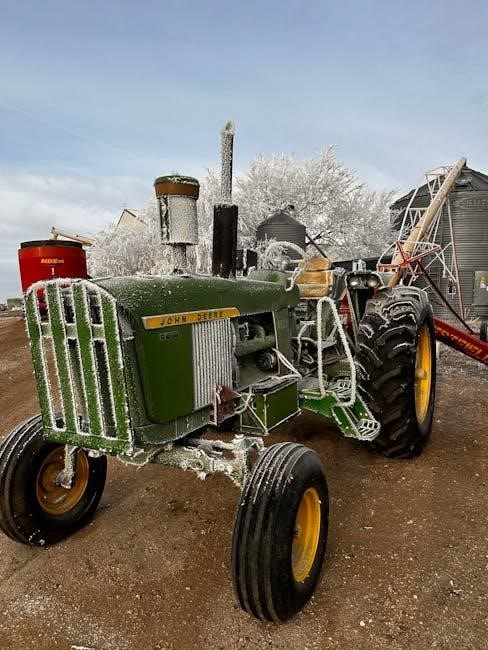
Key components include the battery, which provides initial power, and the alternator, which recharges it during operation. The starter motor engages the engine, while the ignition switch controls power to the ignition system. Fuses protect the circuits from overloads, and a safety switch prevents operation if the seat is unoccupied.
Common electrical problems include a dead battery, blown fuses, and faulty switches. Always disconnect the battery before working on the electrical system. Use a multimeter to test for voltage and continuity. Refer to the wiring diagrams to identify the correct wires and connections. Repair manuals provide detailed diagrams and troubleshooting steps for specific issues.

Hydraulic System: Function and Fluid Checks
The John Deere LT133 utilizes a hydraulic system to power the lift mechanism for the mower deck and potentially other attachments. This system relies on hydraulic fluid to transmit force from the pump to the cylinders, enabling lifting and lowering operations. Proper fluid level and condition are critical for optimal performance and preventing damage.
The hydraulic pump, driven by the engine, draws fluid from the reservoir and pressurizes it. This pressurized fluid travels through hoses and valves to the lift cylinder(s). The control lever operates the valves, directing fluid flow to raise or lower the deck. Regularly check the hydraulic fluid level using the dipstick, ensuring it’s within the recommended range.
Inspect the fluid for contamination or discoloration, which may indicate a leak or internal component wear. Leaks can occur at hose connections, the pump, or the cylinder(s). Use the specified hydraulic fluid type, as using the wrong fluid can damage the system. Consult the owner’s manual for fluid specifications and maintenance intervals.
Mower Deck Maintenance and Blade Sharpening
Maintaining the mower deck is crucial for a clean and efficient cut. Regular cleaning after each use prevents grass buildup, which can reduce cutting performance and contribute to rust. Inspect the deck for damage, such as dents or cracks, and repair as needed. Check the deck level to ensure even cutting across the entire width.
Blade sharpening is essential for a healthy lawn. Dull blades tear the grass instead of cutting it cleanly, leading to brown tips and increased susceptibility to disease. Remove the blades carefully, following safety precautions, and secure them for sharpening. Use a file or a blade grinder to restore the original cutting angle.
Balance the blades after sharpening to prevent vibration and premature wear on the spindle bearings. Inspect the blade adapters and replace them if worn or damaged. Ensure blades are installed correctly, with the cutting edges facing the correct direction. Regular maintenance extends the life of the mower deck and delivers a superior cut.
Drive System: Belt Replacement and Adjustments
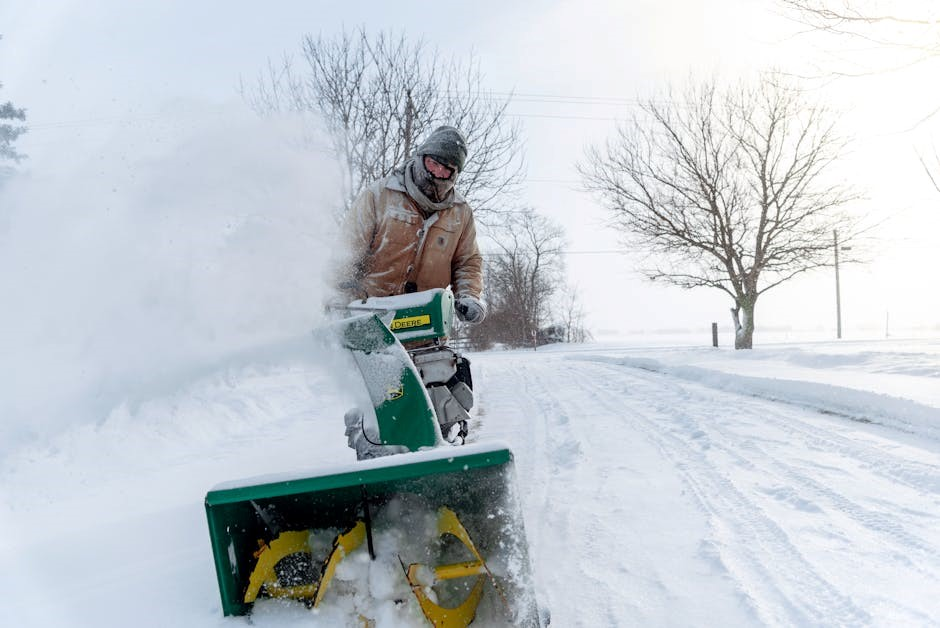
The drive system relies on belts to transfer power from the engine to the wheels and mower deck. Regular inspection of these belts is vital for optimal performance. Check for cracks, fraying, or excessive wear, and replace belts as needed. Always disconnect the spark plug before working on the drive system for safety.
Belt replacement typically involves removing the deck or accessing panels to reach the belt path. Diagrams in the owner’s manual illustrate the correct routing of the belts. Ensure the new belt is the correct size and type for your LT133 model; Proper tensioning is crucial; too loose, and the belt will slip, too tight, and it will wear prematurely.
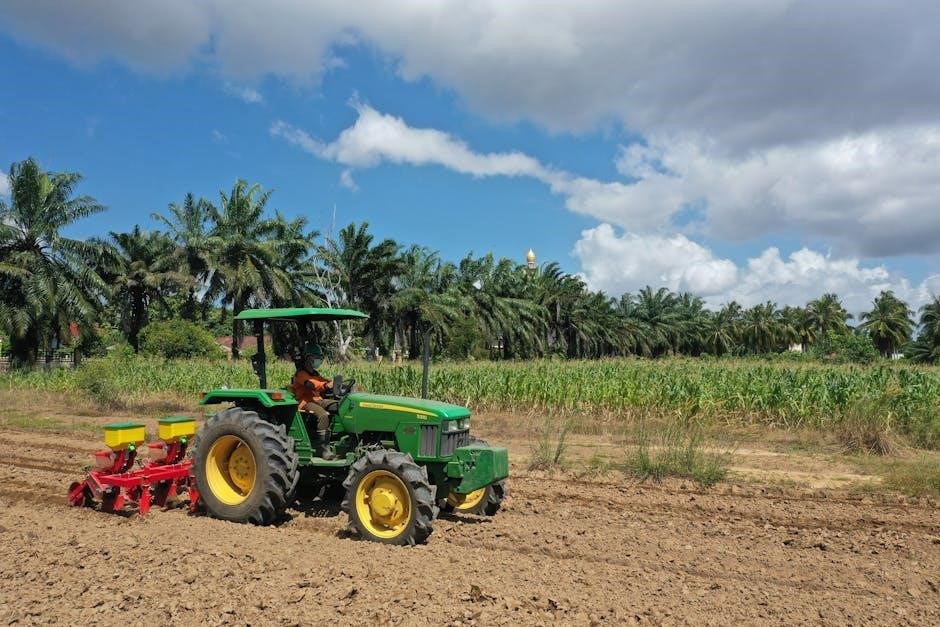
Adjust belt tension using the adjustment bolts or mechanisms specified in the manual. Verify proper engagement of the mower deck and forward/reverse functions after belt replacement. Listen for unusual noises, which may indicate improper tension or alignment. Regular maintenance of the drive system ensures smooth operation and prevents costly repairs.
Steering System: Inspection and Repair
The steering system ensures precise control and maneuverability of your John Deere LT133. Regular inspections are crucial for identifying potential issues before they escalate. Check the steering linkage for loose connections, worn bushings, or damaged components. Inspect the steering wheel for excessive play or difficulty turning.
Lubrication of steering components is essential for smooth operation. Apply grease to pivot points and linkages as recommended in the owner’s manual. If steering feels stiff or unresponsive, investigate the steering gear and linkages for binding or obstruction. Ensure all fasteners are tightened to the specified torque values.
Repairing the steering system may involve replacing worn bushings, tightening connections, or adjusting the steering gear. Consult the manual for detailed instructions and diagrams. If you encounter significant issues, such as difficulty steering or unusual noises, it’s best to seek professional assistance. Properly maintained steering guarantees safe and efficient operation of your lawn tractor.
Braking System: Adjustment and Troubleshooting
A functional braking system is paramount for safe operation of your John Deere LT133. Regularly inspect brake pads for wear and tear, ensuring sufficient material remains for effective stopping power. Check brake lines and hoses for leaks, cracks, or damage, replacing them if necessary. Verify the brake pedal operates smoothly and provides adequate resistance.
Adjusting the brakes typically involves tightening the linkage to compensate for wear. Consult the owner’s manual for specific adjustment procedures and torque specifications. If the brakes feel spongy or require excessive pedal travel, bleed the brake lines to remove air. Ensure the parking brake engages securely and holds the tractor firmly in place.
Troubleshooting brake issues may involve identifying leaks, worn components, or air in the system. If the tractor pulls to one side during braking, investigate for uneven brake pad wear or a malfunctioning caliper. Prioritize brake maintenance to guarantee reliable stopping performance and prevent accidents. Professional repair is recommended for complex brake system issues.
Operator Controls and Adjustments
Familiarizing yourself with the LT133’s operator controls is crucial for safe and efficient operation. The steering wheel controls direction, while the throttle lever regulates engine speed. The brake pedal provides stopping power, and the parking brake secures the tractor when stationary. Understand the function of the mower deck engagement lever, raising and lowering the cutting blades.
Adjust the operator seat for optimal comfort and control, ensuring proper reach to all controls. Fine-tune the steering wheel position for a comfortable grip and responsive handling. Check the tension on the drive belt to ensure smooth and efficient power transfer. Properly adjust the cutting height to achieve the desired lawn finish.
Regularly inspect all controls for smooth operation and responsiveness. Lubricate moving parts as needed to prevent stiffness and wear. Refer to the owner’s manual for detailed instructions on control adjustments and maintenance. Prioritize operator comfort and control to enhance productivity and safety during lawn care tasks.
Troubleshooting Common Issues
Encountering problems with your John Deere LT133 is inevitable, but many can be resolved with basic troubleshooting. If the engine fails to start, check the fuel level, spark plug, and battery connections; A clogged fuel filter or carburetor can also cause starting issues. For mowing problems, inspect the mower blades for damage or dullness, and ensure the deck is properly leveled.
Drive system issues, like a slipping belt, often require adjustment or replacement. Electrical problems, such as a non-functioning headlight, may indicate a blown fuse or faulty wiring. Hydraulic system leaks should be addressed promptly to maintain proper functionality. Consult the owner’s manual for specific diagnostic procedures and repair instructions.
Always disconnect the spark plug wire before performing any maintenance or repairs. Use caution when working with fuel and electrical components. If you’re uncomfortable performing a repair, seek assistance from a qualified technician. Regular maintenance can prevent many common issues and extend the life of your LT133.
Storage and Winterization Procedures
Proper storage is crucial for preserving your John Deere LT133 during the off-season. Begin by cleaning the mower deck thoroughly, removing any accumulated grass and debris. Stabilize the fuel with a fuel stabilizer additive to prevent deterioration during storage. Change the engine oil and filter before winterizing to remove contaminants.
Disconnect the battery and store it in a cool, dry place. Check and adjust tire pressure. Lubricate all moving parts, including the steering components and pivot points. Cover the tractor with a waterproof tarp to protect it from the elements. Store the LT133 in a shed or garage, if possible, to shield it from harsh weather conditions.
Before next season, inspect all fluid levels, belts, and hoses. Recharge the battery and ensure all connections are clean and secure. Following these steps will help ensure your LT133 is ready for years of reliable service. Refer to the owner’s manual for detailed winterization instructions specific to your model.
Finding Additional Resources and Support
Beyond this manual, numerous resources are available for John Deere LT133 owners. Websites like epcatalogs.com and johndeeremanual.com offer service manuals, technical documentation, and parts catalogs. Repairmanualus.com provides repair manuals and diagrams, while sellfy.com may host downloadable resources. Autocardesign.org can be a source for wiring diagrams.
John Deere’s official website is an excellent starting point for locating local dealers, accessing online parts ordering, and finding frequently asked questions. Online forums dedicated to lawn and garden equipment can provide valuable insights from other LT133 owners. YouTube hosts numerous videos demonstrating repairs and maintenance procedures.
Consider contacting a certified John Deere technician for complex repairs or if you lack the necessary expertise. Always prioritize safety when performing maintenance or repairs. Remember to reference your LT133’s model and serial number when seeking assistance to ensure compatibility and accurate information. These resources will help you keep your tractor running smoothly.