Clarissa Pinkola Estés’s groundbreaking work invites readers on a profound journey to rediscover the untamed, instinctual, and deeply creative aspects within themselves․
This exploration delves into the ancient myths, fairy tales, and stories that illuminate the “Wild Woman” archetype—a powerful, intuitive force often suppressed by societal norms․
The book encourages a reconnection with this primal energy, offering pathways to healing, self-discovery, and a more authentic expression of feminine power and resilience․
The Enduring Appeal of the Book
“Women Who Run With the Wolves” continues to resonate deeply with readers decades after its initial publication, and its enduring appeal stems from a unique confluence of factors․
At its core, the book taps into a universal longing for authenticity and wholeness, particularly for women navigating a world that often demands conformity and suppression of instinct․
The use of myth and fairytale as psychological tools provides a compelling and accessible framework for understanding the complexities of the female psyche, offering insights that feel both ancient and remarkably relevant․
Furthermore, Estés’s lyrical prose and evocative storytelling create an immersive reading experience, drawing readers into a world where the wild, untamed aspects of themselves are not only acknowledged but celebrated․
The book’s message of empowerment and self-reliance continues to inspire women to reclaim their inner strength and live more fully, authentically, and courageously․
Clarissa Pinkola Estés: Author and Analyst
Clarissa Pinkola Estés is a renowned psychoanalyst, author, and storyteller, whose work bridges the realms of psychology, mythology, and folklore․
Holding a Ph․D․ in clinical psychology, she is a graduate of the Union Institute and University, and has spent decades working with women, exploring the depths of their inner lives․
Her expertise lies in post-trauma recovery, and she is known for her innovative use of storytelling and dreamwork as therapeutic tools․
Estés is a captivating speaker and has lectured internationally, sharing her insights on the Wild Woman archetype and its significance for personal and collective healing․
Beyond “Women Who Run With the Wolves,” she has authored several other influential books, solidifying her position as a leading voice in the field of depth psychology and feminine studies․
Part 1: Understanding the Wild Woman
This section unpacks the core concept of the Wild Woman, exploring her inherent instincts and the forces that seek to diminish her power․
Distinguishing Instinct from Societal Conditioning
A crucial element in reclaiming the Wild Woman lies in discerning between genuine instinct and the layers of societal conditioning that often mask it․ For generations, women have been taught to suppress their natural impulses, prioritize external expectations, and conform to restrictive roles․
Estés emphasizes that true instinct is a deep, visceral knowing – a primal wisdom rooted in the body and connected to the natural world․ It’s not about impulsive reactivity, but rather a quiet, unwavering sense of what is right and true for the individual․
Societal conditioning, conversely, is learned behavior – rules, beliefs, and expectations imposed by culture and upbringing․ Recognizing these imposed limitations is the first step towards liberation, allowing women to reconnect with their authentic selves and reclaim their innate power․ This differentiation is vital for healing․
The Loss of the Wild Woman in Modern Society
Modern society, with its emphasis on rationality, control, and conformity, has systematically eroded the connection women have to their wild nature․ The pressures to achieve, to be “well-behaved,” and to prioritize external validation have created a culture where instinctual wisdom is often dismissed or suppressed․
Estés argues that this disconnection manifests in various ways – from a diminished sense of creativity and intuition to feelings of emptiness, anxiety, and depression․ The silencing of the Wild Woman leads to a loss of vitality, authenticity, and a profound sense of belonging․
Furthermore, the increasing alienation from nature, coupled with the dominance of patriarchal structures, has contributed to a collective amnesia of the feminine principle․ Reclaiming the Wild Woman, therefore, is not merely a personal journey, but a necessary step towards societal healing and balance․

Part 2: Cycles and Stories – The Core of the Work
Estés masterfully weaves together psychological analysis with the rich tapestry of myths and fairy tales, revealing universal patterns within the female psyche․
The Importance of Myths and Fairy Tales
Myths and fairy tales aren’t simply children’s stories; according to Estés, they are profound psychological maps, encoded with the wisdom of generations of women․

These narratives, passed down through oral tradition, contain archetypal characters and situations that reflect the core experiences of the female life cycle – birth, love, loss, and transformation․
Estés argues that these stories provide a symbolic language for understanding our deepest instincts, desires, and fears, often bypassing the conscious mind to speak directly to the soul․
By analyzing these tales, we can uncover hidden aspects of ourselves, recognize patterns in our own lives, and gain insight into the challenges and opportunities we face․
They offer models for navigating difficult emotions, reclaiming personal power, and ultimately, living a more authentic and fulfilling life, resonating deeply within the collective unconscious․
The Three Stages of a Woman’s Life (Maiden, Mother, Crone)
Estés outlines a traditional, yet powerfully relevant, framework for understanding a woman’s life journey through three distinct archetypal stages: Maiden, Mother, and Crone․
The Maiden represents the initial phase of exploration, creativity, and potential, a time for self-discovery and establishing identity, often characterized by wildness and freedom․
The Mother stage embodies nurturing, creation, and responsibility, extending beyond biological motherhood to encompass all forms of generative energy and compassionate care․
Finally, the Crone signifies wisdom, introspection, and a return to the instinctual self, a period of profound transformation and acceptance of life’s cycles․
These aren’t rigid boxes, but rather fluid phases that women cycle through throughout their lives, each offering unique challenges and opportunities for growth and self-realization․
Analyzing Specific Stories: “Bluebeard”
Estés’s deconstruction of the “Bluebeard” tale reveals a potent warning about the dangers women face when drawn to dangerous, charismatic men who demand absolute control and suppress their spirit․
The forbidden room, containing the portraits of Bluebeard’s previous wives, symbolizes the hidden aspects of the patriarchal psyche and the silencing of female voices throughout history․
The heroine’s curiosity, often portrayed negatively, is re-framed as a vital instinct – a necessary drive to uncover truth and resist oppressive forces, even at great personal risk․
Her sister’s intervention, offering the key and ultimately saving her life, represents the importance of female solidarity and the power of sisterhood in overcoming adversity․
Through this analysis, Estés demonstrates how fairy tales serve as psychological maps, offering insights into the archetypal patterns that shape our lives and relationships․
Analyzing Specific Stories: “Hansel and Gretel”
Estés interprets the “Hansel and Gretel” story as a powerful allegory for the journey of a young woman navigating the perils of puberty and the transition into womanhood, symbolized by the dark forest․
The witch’s gingerbread house represents alluring but ultimately destructive temptations – false promises of comfort and security that mask a predatory intent to consume the children’s life force․
Hansel’s pebbles and breadcrumbs symbolize a young woman’s attempts to mark her path and maintain a connection to her origins, while the breadcrumbs’ failure highlights vulnerability․
Gretel’s resourcefulness and ultimate triumph over the witch demonstrate the inherent strength and cunning of the feminine instinct when faced with danger and oppression․
The oven, a symbol of transformation, becomes the site of the witch’s demise, signifying the young woman’s ability to overcome destructive forces and emerge empowered․
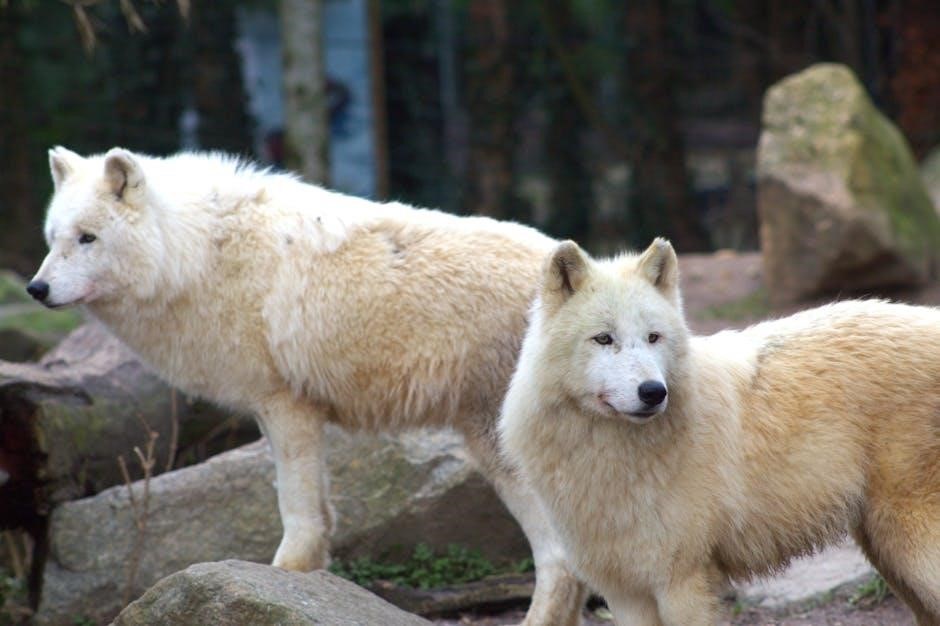
Part 3: Recognizing and Healing the Wounded Wild Woman
Acknowledging the subtle signs of disconnection—exhaustion, emptiness, and a loss of passion—is crucial for initiating the healing process within․
Identifying the Symptoms of Disconnection
The wounded Wild Woman often manifests through a constellation of subtle, yet deeply impactful, symptoms․ These aren’t necessarily dramatic breakdowns, but rather a gradual erosion of vitality and authentic self-expression․ Common indicators include chronic fatigue, not simply physical tiredness, but a soul-deep weariness․
A pervasive sense of emptiness or numbness, a feeling of being “flat” or disconnected from joy, is also prevalent․ This can be accompanied by a loss of creative spark, difficulty experiencing pleasure, and a tendency towards self-sabotage․ Relationships may suffer from a lack of genuine connection, replaced by superficial interactions or a pattern of attracting unhealthy dynamics․
Furthermore, individuals may experience a diminished sense of intuition, difficulty trusting their instincts, and an over-reliance on external validation․ A persistent feeling of being “lost” or unsure of one’s purpose, coupled with a longing for something more, often signals a deep disconnection from the Wild Woman within․ These symptoms, while varied, all point to a silencing of the primal, instinctual self․
The Role of Trauma in Silencing the Wild Nature
Trauma, in its myriad forms – be it physical, emotional, or psychological – plays a significant role in suppressing a woman’s Wild Nature․ Estés posits that early experiences of violation, abandonment, or invalidation can create deep psychic wounds, leading to a self-protective shutting down of instinctual knowing․
These experiences often instill a belief that expressing one’s authentic self is unsafe, resulting in a learned behavior of conformity and self-censorship․ The natural, assertive energy of the Wild Woman is then perceived as threatening, and is actively suppressed to avoid further harm․
This silencing isn’t conscious; it’s a deeply ingrained survival mechanism․ Trauma fragments the psyche, disconnecting individuals from their bodies, emotions, and intuitive wisdom․ Healing, therefore, requires a gentle and compassionate re-integration of these fragmented parts, allowing the Wild Nature to re-emerge from the shadows․
Reclaiming Creativity as a Healing Force
Creativity, for Estés, isn’t merely artistic expression; it’s the very lifeblood of the Wild Woman archetype․ It’s the innate capacity to make, to innovate, to bring something new into the world – a fundamental expression of instinctual energy․ When this creative force is blocked, it doesn’t disappear; it becomes internalized, manifesting as depression, anxiety, or physical illness․
Reclaiming creativity, therefore, is a crucial step in the healing process․ This can take many forms – painting, writing, dancing, gardening, cooking, or any activity that allows for authentic self-expression․ The act of creation bypasses the rational mind, connecting individuals directly to their intuition and primal wisdom․
It’s about allowing oneself to play, to experiment, and to embrace imperfection․ Through creative endeavors, the wounded Wild Woman can begin to rediscover her voice, her power, and her inherent worth․

Part 4: Practical Applications & Techniques
Estés provides tangible methods for accessing inner wisdom, including dream analysis, ritual creation, and mindful engagement with the natural world for restoration․
Dreamwork and the Wild Woman
Dreams, according to Estés, are a direct line to the unconscious, a landscape where the Wild Woman archetype frequently communicates․ She posits that dreams aren’t simply random neurological firings, but rather potent messages from our deepest selves, often utilizing symbolic language rooted in archetypal imagery․
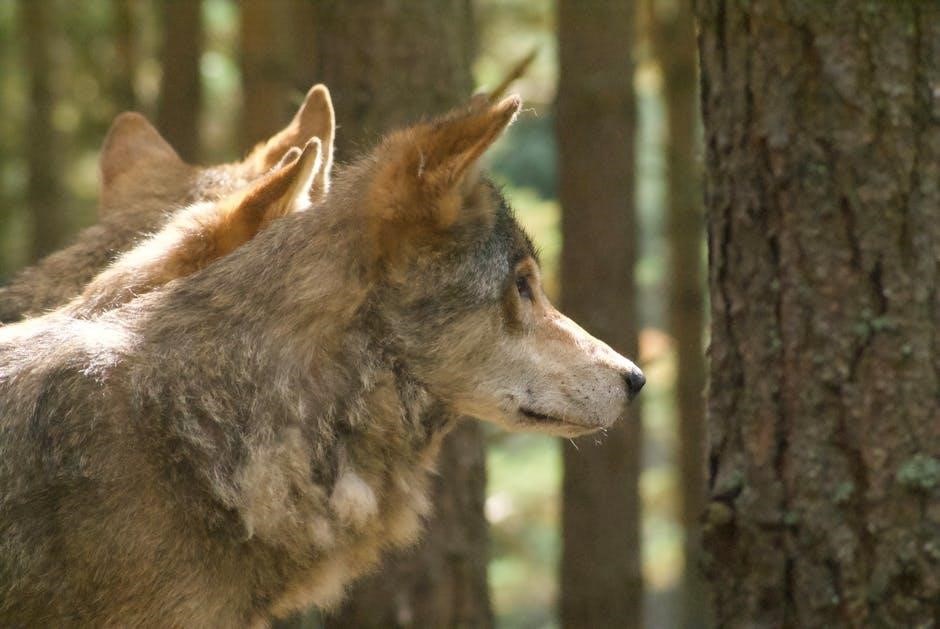
The author encourages a specific approach to dream recall and interpretation, moving beyond simplistic Freudian analysis․ Instead, she advocates for actively entering the dream, becoming a participant within its narrative, and identifying the emotional core of the experience․
Paying attention to the animals, landscapes, and figures that populate our dreams can reveal hidden aspects of our own psyche․ Estés emphasizes that the dream is not to be “solved” but rather experienced, allowing its wisdom to permeate our waking lives and guide us toward wholeness․ Recurring dream themes often point to unresolved issues or untapped potential within the Wild Woman․
The Power of Ritual and Ceremony
Estés strongly advocates for the reintroduction of ritual and ceremony into modern life as vital tools for reconnecting with the Wild Woman․ She argues that these practices, historically central to feminine cultures, provide a sacred container for acknowledging transitions, honoring cycles, and accessing inner wisdom․
Rituals don’t need to be elaborate or complex; they can be simple, personal acts of self-care imbued with intention․ Examples include creating a dedicated space for contemplation, marking the new moon with a small offering, or engaging in creative expression as a form of devotional practice․
The key is to create a deliberate pause in the everyday, a moment to honor the instinctive, intuitive parts of ourselves that often go unheard․ Ceremony, in this context, is about reclaiming a sense of the sacred and recognizing the inherent power within the feminine psyche, fostering healing and wholeness․
Connecting with Nature for Re-Wilding
Central to Estés’s philosophy is the profound connection between women and the natural world․ She posits that the Wild Woman archetype thrives in environments where instinctual life is honored, and nature provides the ultimate sanctuary for re-wilding – the process of reclaiming one’s authentic, untamed self․
This isn’t simply about spending time outdoors; it’s about actively engaging with nature on a sensory and spiritual level․ Observing animal behavior, listening to the rhythms of the earth, and immersing oneself in natural landscapes can awaken dormant instincts and foster a deeper sense of belonging․
Estés encourages practices like tracking, foraging (responsibly), and simply sitting in quiet contemplation amidst trees or by water, allowing nature to serve as a mirror reflecting our own inner wilderness and facilitating profound healing․
Part 5: Criticisms and Considerations
Despite its widespread influence, the book has faced critiques regarding essentializing female experiences and potential cultural appropriation of diverse mythologies․
Common Misinterpretations of the Archetype
A frequent misunderstanding centers around equating the “Wild Woman” with unrestrained behavior or a rejection of all societal structures․ The archetype isn’t about chaos, but rather a deep connection to instinctual wisdom and authentic self-expression within the context of one’s life․
Another misinterpretation involves viewing the “Wild Woman” as solely a pre-patriarchal state, implying a simplistic return to a “natural” past․ Estés emphasizes that the archetype exists despite societal pressures, requiring continuous cultivation and defense․
Furthermore, some perceive it as exclusive to women who have experienced trauma, overlooking its universality as a fundamental aspect of the feminine psyche․ While trauma can certainly obscure the Wild Woman, she resides within all women, awaiting recognition and integration․ It’s not a ‘fix’ for pain, but a source of strength through it․
Cultural Sensitivity and Universal Themes
While drawing heavily from diverse cultures – particularly European, Mexican, and Native American folklore – Women Who Run With the Wolves has faced scrutiny regarding potential cultural appropriation; Estés acknowledges her influences and aims to highlight universal psychological patterns expressed through varied narratives․
However, it’s crucial to approach these stories with awareness, recognizing the specific contexts and respecting the originating cultures․ The book isn’t about claiming ownership of these tales, but rather using them as symbolic keys to unlock inner understanding․
Despite cultural variations, the core themes of the Wild Woman archetype – instinct, creativity, cyclicality, and the search for wholeness – resonate across geographical boundaries․ These are fundamental aspects of the human experience, particularly within the feminine psyche, making the work broadly applicable while demanding mindful interpretation․
The Book’s Impact on Feminist Thought
Women Who Run With the Wolves arrived during a pivotal moment in feminist discourse, offering a psychological perspective that resonated deeply with many․ It moved beyond purely socio-political analyses, exploring the internal landscape of women and the impact of patriarchal conditioning on their psyches․
Estés’s work provided a language for understanding and reclaiming feminine power, not as dominance, but as a vital, instinctual force․ It challenged the notion of a singular “feminine ideal,” celebrating the diversity and complexity of female experience․
While not without its critics – some arguing it essentializes womanhood – the book undeniably broadened the scope of feminist thought, influencing subsequent explorations of female psychology, spirituality, and the importance of reclaiming ancestral wisdom․ It continues to inspire conversations about authenticity and self-empowerment․
Ultimately, Estés’s work is a call to courage – to listen to the wild, intuitive voice within and live a life of authentic power․

The Ongoing Journey of Self-Discovery
The reclamation of the Wild Woman isn’t a destination, but rather a continuous, evolving process of self-discovery․ It requires ongoing commitment to introspection, a willingness to confront shadows, and the courage to embrace vulnerability․ This journey isn’t always linear; there will be periods of profound insight alongside times of confusion and doubt․
It’s about cultivating a deeper relationship with your intuition, honoring your instincts, and recognizing the cyclical nature of life․ Regular engagement with the stories and practices outlined in Women Who Run With the Wolves – dreamwork, ritual, connection with nature – can serve as invaluable tools along the way․ Remember that the Wild Woman resides within each of us, waiting to be acknowledged and integrated into our wholeness․
This path demands self-compassion and a commitment to lifelong learning, allowing the wild, authentic self to flourish and guide you towards a more fulfilling existence․
Resources for Further Exploration (including ‘women who run with wolves pdf’ access)
For those seeking to delve deeper into the world of the Wild Woman archetype, numerous resources are available․ Beyond the core text, exploring Clarissa Pinkola Estés’s other works, such as The Faithful Dog and The Gift of Storytelling, can provide further insights․
Online communities and workshops dedicated to the book’s themes offer spaces for connection and shared exploration․ A quick search will reveal numerous groups facilitating discussions and practices․ Regarding access to the text itself, a ‘women who run with wolves pdf’ version can be found through various online repositories, though it’s important to respect copyright laws and consider purchasing a legitimate copy to support the author․
Additionally, Jungian analysis and depth psychology offer frameworks for understanding the archetypal underpinnings of the work․ Websites dedicated to mythology and folklore can also enrich your understanding․