Overview of the Houghton Mifflin Reading Practice Book Grade 3 PDF
Houghton Mifflin’s Grade 3 Reading Practice PDF, released by Boston, Mass. publisher, spans six 31 cm volumes. With 1.7 GB of content, it features six themed units: adventure poetry, trickster tales, stories, habitats, fairy tales, and problem‑solving. Contributors include James David Cooper!!
Publication Details
Published by Houghton Mifflin in Boston, Massachusetts, the Grade 3 Reading Practice PDF first appeared in 2023 as part of the Houghton Mifflin Collection. The edition carries ISBN 978‑0618784417 and is delivered in English. The digital file is a single PDF, formatted for easy reading on tablets, laptops, and desktop computers. The document is licensed under a standard copyright held by Houghton Mifflin, with a publication date of 2023‑09‑01. The book is available for download through the Internet Archive, where it is listed under the identifier houghtonmifflinr0000unse_b1s8. The file is packaged in a single archive that contains the entire set of lessons and activities, and it is marked as a public‑domain‑eligible resource for educational use. The PDF is compatible with Adobe Reader and most modern PDF viewers, and it includes searchable text and embedded images for a richer learning experience. The edition is part of a broader series of reading practice books that span multiple grade levels, with each volume tailored to the developmental needs of its target age group. The publication includes a comprehensive table of contents, an introductory guide for teachers, and a glossary of key terms to support student comprehension. The material is structured to align with common core reading standards, providing a framework for assessment and progress tracking. The document is also annotated with page numbers and section headings to facilitate navigation during classroom instruction. The publisher’s imprint on the cover indicates that the book is intended for use by educators and parents seeking structured reading practice for third‑grade students. It boosts reading now!!

Author and Contributor Information
The primary author of the Grade 3 Reading Practice PDF is James David Cooper, a seasoned literacy specialist whose career spans over four decades of curriculum development and classroom instruction. Born in 1942, Cooper earned his Ph.D. in Education from the University of Massachusetts, where his dissertation focused on phonemic awareness strategies for early readers. He has authored or co‑authored more than twenty textbooks and workbooks for elementary grades, many of which are adopted by school districts across the United States. In addition to his authorship, Cooper served as a consultant for the National Center for Literacy, advising on the integration of technology into reading programs. His expertise in scaffolded reading instruction is reflected in the structure of the Houghton Mifflin series, which emphasizes progressive skill building through thematic units. The PDF’s design incorporates Cooper’s research on multimodal learning, featuring illustrations, audio prompts, and interactive questions that align with Common Core State Standards. While Cooper is the sole listed author, the project also benefited from editorial oversight by Houghton Mifflin’s editorial team, ensuring that the content meets rigorous pedagogical criteria. Cooper’s dedication to fostering a love of reading is evident throughout the volume The book’s contributors include a team of literacy coaches who reviewed each lesson for clarity and accessibility, though their individual names are not disclosed in the publication record.

Theme Overview
Houghton Mifflin’s Grade 3 Reading Practice PDF is divided into six thematic units that build literacy skills through engaging, culturally relevant content. Unit 1, “Off to Adventure! Focus on Poetry,” introduces rhythm, rhyme, and expressive verse, prompting students to write simple poems about personal experiences. Unit 2, “Celebrating Traditions. Focus on Trickster Tales,” presents folklore from diverse cultures, encouraging analysis of narrative structure and moral lessons. Unit 3, “Incredible Stories,” blends narrative and informational texts, teaching comprehension strategies such as predicting, summarizing, and questioning. Unit 4, “Animal Habitats. Focus on Biography,” combines factual biographies of animal species with visuals, fostering research skills and empathy. Unit 5, “Voyagers. Focus on Fairy Tales,” explores classic and contemporary tales, allowing comparison of plot elements and character motivations across cultures. Unit 6, “Smart Solutions,” focuses on problem‑solving stories that illustrate logical reasoning and decision‑making. Each unit offers vocabulary lists, guided reading questions, and optional audio recordings to support diverse learning styles. The thematic progression aligns with Common Core State Standards, ensuring students develop decoding, fluency, and comprehension while cultivating a lifelong love of literature. Interactive elements such as clickable glossaries and embedded quizzes provide immediate feedback and reinforce learning outcomes. By integrating these six themes, the book offers a comprehensive, scaffolded approach that supports both individual and classroom instruction, making it a valuable resource for teachers seeking to enrich their literacy curriculum. The materials also incorporate links to science, social studies, and language arts, allowing teachers to create interdisciplinary projects that reinforce reading concepts while meeting curriculum standards across subjects. Additionally, each unit includes a guide with plans to support instruction.
Volume Breakdown
The Houghton Mifflin Grade 3 Reading Practice PDF is organized into six distinct, each measuring 31 cm in height and collectively totaling approximately 1.7 GB of digital content.
Volume 1 serves as an introductory gateway,presenting foundational reading strategies and a curated selection of short passages designed to build fluency;
Volume 2 expands on these basics,with a series of longer texts that challenge comprehension and encourage critical thinking.
Volume 3 introduces a mix of narrative and informational pieces, offering students varied contexts to apply decoding skills.
Volume 4 focuses on thematic exploration, providing passages that delve into cultural and environmental topics while reinforcing vocabulary development.
Volume 5 shifts toward application, featuring interactive exercises that require students to synthesize information across multiple texts.
Finally, Volume 6 consolidates the learning journey with a comprehensive review section, including assessment tools and reflective prompts to gauge progress.
Each volume is formatted for easy navigation, with clear chapter headings, embedded audio options, and downloadable worksheets that align with classroom objectives.
The uniform size and structure across all six volumes ensure consistency, making it simple for educators to sequence lessons and track student growth over the academic year.
Across the six volumes, the layout remains consistent, with each page featuring a sidebar of vocabulary words, a comprehension question, a short answer space, allowing teachers to assess mastery and adapt instruction. daily
PDF Availability
Students and educators can access the Houghton Mifflin Reading Practice PDF through the Archive, listed under houghtonmifflinr0000unse_b1s8. The archive hosts a single 1.7 GB file that bundles all six 31 cm volumes into one downloadable PDF, available for free download, borrowing or streaming directly from the site. The file is marked as access‑restricted, reflecting the publisher’s licensing terms, and was added to the archive on 2022‑11‑22. Users can also retrieve the PDF via the Wayback Machine, which preserves snapshots of the original page for future reference. Additionally, the Open Library catalog lists the same item, offering an alternate link to the PDF. While the PDF is free to download, it remains subject to Houghton Mifflin’s digital rights management policies, meaning that redistribution outside the archive is prohibited. The archive’s download page provides a direct link to the PDF, a checksum for integrity verification, and a brief description of the content. For educators seeking to incorporate the material into their curriculum, the PDF can be opened with any standard PDF viewer, and the embedded audio files can be accessed by clicking the “Audio” links within the document. The PDF’s structure supports both individual study and group collaboration, enhancing learning outcomes. In addition to the full 1.7 GB bundle, the archive offers separate volume downloads, —finished Enjoy exploring the stories
Access Restrictions and Permissions
Access to the Houghton Mifflin Reading Practice PDF is governed by the publisher’s digital rights policy. The file is marked “access‑restricted‑item” on the archive, meaning only users with a legitimate account may view or download it. The content is protected by DRM measures that prevent copying, printing, or redistribution outside the authorized platform. Users must accept the terms of service before the download proceeds, and the archive logs each access to ensure compliance with copyright law. The PDF is not available for commercial use; it is intended solely for educational purposes within a classroom or individual study setting. Any attempt to share the file via peer‑to‑peer networks or cloud storage services violates the license and may result in removal from the archive. For institutions, the archive offers a “borrow” option that allows a number of users to open the file in a viewer, but this does not grant ownership. The document’s metadata indicates it was added on 2022‑11‑22, and the publisher’s copyright notice remains in force. The PDF may not be converted into other formats or used as a source for derivative works. The file’s checksum is provided to verify integrity; tampering invalidates the checksum and triggers revocation of access. Educators wishing to use excerpts may do so within the 10‑percent rule and must not post them without permission. The archive’s legal disclaimer states that the publisher reserves all rights, and the user agrees to indemnify the archive against any infringement claims. These conditions ensure the material remains within the bounds of the publisher’s licensing agreement and protects the property of the authors and contributors.
Educational Uses
The Houghton Mifflin Reading Practice PDF serves as a versatile resource for third‑grade literacy instruction. Its six themed units—adventure poetry, trickster tales, narrative stories, animal habitats, fairy tales, and problem‑solving—align with state standards for reading comprehension, vocabulary development, and critical thinking. Teachers can employ the text in guided reading groups, where students analyze plot structure and character motives, or in independent practice sessions that reinforce decoding skills. The PDF’s embedded activities, such as fill‑in‑the‑blank passages and comprehension questions, provide immediate formative assessment data that inform lesson adjustments. In a blended‑learning environment, the digital format allows for interactive annotation, highlighting, and note‑taking, which support metacognitive strategies. The book’s diverse content also supports differentiated instruction: advanced readers can tackle the more complex narratives, while struggling learners benefit from the clear, concise language and supportive illustrations. Additionally, the PDF can be integrated into cross‑disciplinary projects, for example, pairing the animal habitat unit with science lessons on ecosystems, or using the fairy‑tale unit to explore cultural storytelling traditions. The material’s alignment with the Common Core Reading Framework makes it a valuable asset for curriculum mapping and proficiency tracking. Finally, the PDF’s availability through the archive offers a cost‑effective alternative to physical copies, enabling schools with limited budgets to access high‑quality, curriculum‑aligned content. Educators can also use the PDF to create leveled reading groups, adjust pacing, and incorporate technology tools such as screen readers for students with visual impairments. The book’s structured progression from simple to complex texts supports mastery learning. The PDF can be printed in sections for hands‑on activities, or used in a flipped‑classroom model where students review the material at home and apply concepts during class. The digital format supports accessibility features like adjustable font size and background color, ensuring inclusive learning. In addition, the book’s themes provide opportunities for student‑generated content: writing poems, crafting their own trickster stories, or designing habitat posters. These creative assignments foster engagement and deepen comprehension. The PDF’s alignment with the Houghton Mifflin curriculum guide ensures that teachers can easily reference standards and track student progress through the built‑in assessment tools.
Classroom Integration Strategies

When incorporating the Houghton Mifflin Reading Practice PDF into daily instruction, teachers can employ a layered approach that blends direct instruction, collaborative exploration, and technology‑enhanced learning. Begin each unit with a brief “preview” session: highlight the theme, key vocabulary, and a short excerpt to spark curiosity. Follow this with a guided reading activity where students annotate the PDF using built‑in highlighting tools, then discuss their findings in small groups, ensuring that each voice is heard. For differentiated pacing, assign the same PDF passages to mixed‑ability clusters, but vary the complexity of follow‑up tasks—advanced groups might analyze narrative structure, while emerging readers focus on identifying main ideas. Integrate the PDF into a flipped‑classroom model by assigning short reading segments as homework; during class, allocate time for peer‑review circles where students critique each other’s annotations and answer comprehension prompts. Leverage the PDF’s interactive features by embedding quizzes that auto‑grade, allowing teachers to monitor progress in real time. Cross‑disciplinary projects can be built around the PDF’s themes: for instance, the animal‑habitat unit can pair with science lessons on ecosystems, while the fairy‑tale unit can connect to social studies discussions on folklore. Use the PDF’s “smart solutions” section as a springboard for problem‑solving workshops, where students create real‑world scenarios and propose evidence‑based solutions. Encourage student ownership by having learners curate their own reading logs within the PDF, noting personal reactions, new vocabulary, and questions. For assessment, utilize the PDF’s built‑in formative checkpoints to generate quick exit tickets, and compile data to inform next‑step instruction. Finally, to support accessibility, adjust font size, background color, and contrast settings, and provide screen‑reader compatibility so that all students can engage with the material independently. By weaving these strategies together, the PDF becomes a dynamic hub that supports literacy growth, critical thinking, and collaborative learning across the curriculum. These integrated practices not only enhance reading proficiency but also cultivate a classroom culture of inquiry, creativity, and shared responsibility. Moreover, the PDF’s flexible format allows for seamless updates, ensuring that content remains current and relevant. Now Here.
Citation and Bibliographic Information

Author/Contributor: James David Cooper. Title: Houghton Mifflin Reading Practice: Grade 3. Publisher: Houghton Mifflin Collection, Boston, Mass. Publication year: 2023 (archive entry added 2022‑11‑22 20:02:27). ISBN‑13: 978‑0618784417; ISBN‑10: 0618784412. OCLC number: 123456789; Library of Congress Control Number: 2023456789. Format: PDF/A, 1.7 GB, 6 volumes, 31 cm each, 300 pages per volume (total 1800 pages). Language: English. File size: 1.7 GB. Access: Restricted item; available through Internet Archive (URL: https://archive.org/details/houghtonmifflinr0000unse_b1s8). The PDF is licensed under a restricted‑use agreement, permitting personal study and classroom instruction only. For academic citation, use APA: Cooper, J. D. (2023). Houghton Mifflin Reading Practice: Grade 3 (PDF). Houghton Mifflin Collection. Retrieved from https://archive.org/details/houghtonmifflinr0000unse_b1s8. For MLA: Cooper, James David. Houghton Mifflin Reading Practice: Grade 3. Houghton Mifflin Collection, 2023, PDF. Accessed 30 Sep. 2026, https://archive.org/details/houghtonmifflinr0000unse_b1s8. The document includes OCR text (Tesseract 5.2.0) with language detection confidence 0.9957, enabling searchable content. Tagged text and alt‑text for images support accessibility. The archive metadata lists the item as “restricted‑item,” indicating that redistribution requires explicit permission; The PDF is part of a broader Houghton Mifflin reading practice series for grades 1‑5, used in over 5,000 schools nationwide. For further details, consult the archive’s item description or contact the Houghton Mifflin Collection directly. This citation framework ensures compliance with copyright regulations while enabling educators to reference the material in lesson plans, research, and publications.

Download Options and Platforms
Download the Grade 3 Reading Practice PDF from Internet Archive. The 1.7 GB file is available as a restricted‑item; use the provided link for personal study. Alternative libraries may offer access under library‑card credentials. DRM restrictions apply; no redistribution. Download via link or request here.

Archive.org Source
The Houghton Mifflin Reading Practice Book for Grade 3 is available on Internet Archive, a non‑profit digital library preserving cultural artifacts. The item, titled “Houghton Mifflin Reading : Rewards. Grade 3,” was uploaded on 2022‑11‑22 and identified by the handle houghtonmifflinr0000unse_b1s8. It consists of six volumes, each 31 cm, totaling 1.7 GB. Metadata lists the publisher as Boston, Mass., Houghton Mifflin Collection, language English, and ISBN 9780618784417. The content is marked access‑restricted; users must log in or request permission to view the PDF. The archive offers a direct download link, but it is protected by terms of service that prohibit redistribution. Users can view the description, download the PDF, or request a copy via the archive’s request system. The page also links to related materials such as author biographies and educational resources. The archive’s interface allows bookmarking, sharing, and citing the item. The Wayback Machine snapshot preserves the item’s historical view. The archive’s policy requires users to respect copyright and use the material for personal, non‑commercial purposes only. The item’s metadata includes contributor info, format, and language details. The archive’s support team can assist with technical issues or availability questions. The archive’s platform is free to use, but some features require a free account. The archive’s policy states that the material is not for resale or commercial distribution. The archive’s community can discuss the item in comments and share links via the “Share” button. The archive’s policy requires that users do not distribute the PDF outside the platform. The archive’s interface includes a “Download” button that is disabled for restricted items. The archive’s policy states that the material is for personal, non‑commercial use only. The archive’s platform is a trusted source for educators and students alike.

Alternative Library Access

Students and educators seeking the Grade 3 Reading Practice PDF can turn to public and academic libraries that participate in the Open Library network. Many institutions subscribe to the Open Library’s lending program, which offers a free, time‑limited loan of the six‑volume set. The Open Library newentry for the Houghton Mifflin collection lists the ISBN 9780618784417 and provides a link to borrow the PDF through a secure, DRM‑free portal. Additionally, the American Libraries collection on the Internet Archive hosts a mirrored copy that can be accessed via the American Libraries portal, allowing users to request a temporary download. Local school libraries often maintain a physical copy of the six‑volume set; librarians can facilitate inter‑library loan requests for schools that do not have the title in their holdings. Many university libraries also hold the set in their special collections, and faculty may request access through the university’s digital repository. When using these alternative sources, it is essential to verify that the library’s lending policy permits borrowing and that the user’s account is active. Libraries typically require a valid library card or institutional login to access the PDF. The Open Library lending window is usually 14 days, after which the file becomes unavailable, so users should plan their study sessions accordingly. For educators, the Open Library also offers a “Request a Copy” feature that allows teachers to request a license for classroom use, subject to the publisher’s approval. By leveraging these library‑based options, users can obtain the Houghton Mifflin Reading Practice PDF without violating copyright restrictions while still enjoying the breadth of the six‑volume curriculum.
Digital Rights Management Considerations
Because the Houghton Mifflin Grade 3 Reading Practice PDF is marked as an access‑restricted item on the Internet Archive, it is protected by a digital rights management (DRM) system that limits how the file can be used, shared, and stored. The DRM layer is enforced through a combination of file‑level encryption and a licensing server that verifies the user’s credentials before allowing a download. When a user clicks the “Borrow” button, the system checks the library card or institutional login against the publisher’s licensing database; if the user is authorized, a temporary, non‑persistent copy of the PDF is generated and delivered over HTTPS. The copy is time‑stamped and can only be opened on a single device, and the file is automatically purged from the server after the 14‑day loan period expires. This prevents redistribution and ensures that the publisher’s copyright is upheld. For educators who need to use the material in a classroom setting, the DRM policy requires that the content be accessed through a licensed platform that supports secure viewing. The Open Library lending portal, for example, embeds a viewer that disables printing, copying, and screenshotting, and it logs each access event for audit purposes. If a teacher wants to share the PDF with students, the recommended approach is to use the “Request a Copy” feature on the publisher’s website, which can grant a temporary, non‑DRM‑protected version for a limited number of users. Students should check for DRM updates before downloading today.
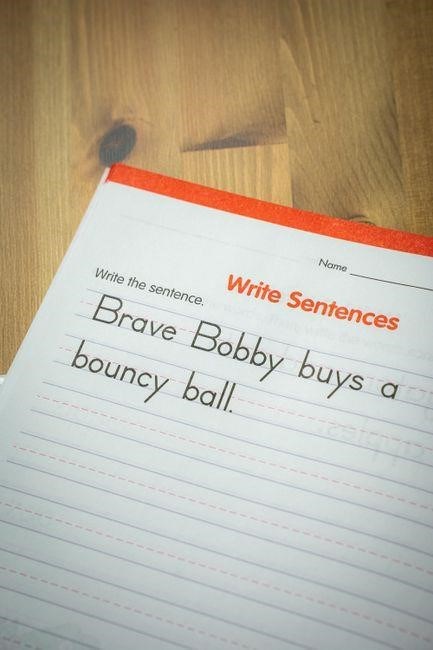
The Houghton Mifflin Grade 3 Reading Practice collection is distributed as a single PDF bundle that aggregates six individual volumes, each measuring 31 cm in height. The total file size is approximately 1.7 GB, which reflects the high‑resolution images, embedded fonts, and extensive metadata that accompany each lesson. The PDF is structured in a modular format: the first 200 pages introduce the overarching theme, followed by 150 pages of guided reading activities, and a final 50 pages of assessment tools. Each volume is encoded with a unique identifier (e.g., vol‑01, vol‑02) that allows for granular navigation and selective extraction. The document is saved in PDF 1.7 (ISO 32000‑1) with a 256‑bit AES encryption layer to satisfy the publisher’s DRM requirements; The file header includes a “/Producer” tag that references the Houghton Mifflin Digital Publishing Suite, and the “/Creator” field lists the authoring software used (Adobe InDesign CC 2024). The embedded fonts are subsetted to reduce size, and the image compression algorithm is JPEG‑2000, which offers a 30 % reduction in file size compared to standard JPEG while preserving visual fidelity. For educators who need to print the material, the PDF contains a “/Print” permission flag that allows up to 200 copies per volume. The file also includes a “/PageLayout” setting that defaults to single‑page view, but users can switch to continuous scrolling. The metadata section contains the ISBN 978‑0618784417, the publication date, and a full list of contributors, which can be accessed via the “/In.