Salsa and Beer Pairing: A Comprehensive Guide
Crafting a compelling salsa and beer menu requires thoughtful design‚ clear descriptions‚ and accurate ABV information for an enhanced dining experience.
Menu layout should prioritize readability‚ grouping salsas by heat level and suggesting complementary beer styles for optimal pairing enjoyment.
Detailed salsa descriptions‚ including ingredient highlights and spice indicators‚ will guide customers toward their perfect flavor combination.
Including beer ABV information ensures responsible consumption and allows patrons to make informed choices based on their preferences.
Embarking on a journey of salsa and beer pairings elevates the dining experience‚ transforming a simple meal into a flavorful adventure. A well-curated menu‚ often presented as a PDF‚ becomes the roadmap for this exploration.
Consider the menu’s design; clarity is paramount. Grouping salsas by heat level – mild‚ medium‚ hot – alongside suggested beer styles simplifies decision-making. Detailed descriptions of each salsa‚ highlighting key ingredients and spice intensity‚ are crucial.
Don’t forget the beer! Include ABV information for responsible enjoyment and brief tasting notes to guide pairings. A visually appealing layout enhances the overall presentation‚ inviting guests to discover harmonious flavor combinations.
Ultimately‚ a thoughtfully designed salsa and beer menu PDF enhances customer satisfaction and encourages exploration.
Understanding Salsa Heat Levels
Accurately representing salsa heat levels on your menu PDF is vital for customer satisfaction and responsible enjoyment. Clearly defining mild‚ medium‚ and hot categories prevents unexpected fiery surprises.
Utilize a visual indicator system – chili peppers are a common choice – to quickly convey the spice level. Pair each heat level with suggested beer styles; lighter lagers for mild‚ amber ales for medium‚ and darker lagers for hot salsas.
Detailed descriptions should mention the peppers used‚ offering insight into the flavor profile alongside the heat. A well-defined heat scale builds trust and empowers guests to choose salsas they’ll truly savor.
Remember‚ a clear heat indication is key to a positive pairing experience.
Mild Salsa Pairings
For mild salsas on your menu PDF‚ emphasize light and refreshing beer pairings. Pico de gallo‚ with its fresh flavors‚ beautifully complements light lagers and crisp Pilsners.
Highlight these pairings with descriptive text‚ noting the beer’s ability to cleanse the palate between bites. Suggest beers with subtle citrus notes to enhance the salsa’s brightness.
Include ABV information for each beer‚ and consider adding a brief flavor profile description. A “perfect pairing” icon can visually draw attention to these recommendations.
Emphasize the approachable nature of these combinations‚ ideal for those new to salsa and beer pairings.
Medium Salsa Pairings
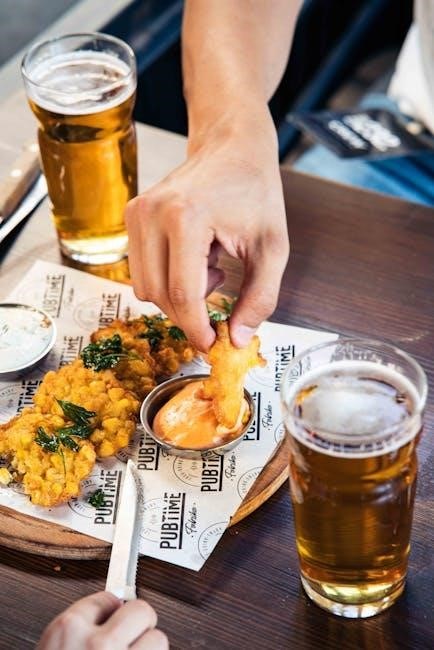
Your menu PDF should showcase medium salsas paired with more flavorful‚ yet still balanced‚ beers. Amber ales offer a malty sweetness that complements roasted tomato salsas‚ creating a harmonious blend.
Describe these pairings as “flavorful” or “balanced‚” appealing to those seeking a more complex experience. Include tasting notes for both the salsa and beer‚ highlighting shared flavor compounds.
Clearly indicate the beer’s ABV and body‚ helping customers choose based on their preference. Consider suggesting a Pale Ale alongside a Salsa Roja‚ noting the hop bitterness cuts through the richness.
Visually differentiate these pairings from mild options‚ perhaps with a different colored background.
Hot Salsa Pairings
For your PDF menu‚ hot salsa pairings demand bold beer choices. Dark lagers‚ like Schwarzbier‚ are excellent companions to habanero salsas‚ offering a roasty counterpoint to the intense heat.
Emphasize the cooling effect of the beer‚ describing it as “balancing” or “contrasting” the spice. Clearly mark these salsas with a prominent heat indicator – chili peppers are effective.
Include a disclaimer advising customers with low spice tolerance to proceed with caution. Suggest a smoked beer alongside a smoked salsa‚ amplifying the smoky flavors.
Highlight the beer’s ABV and body‚ and consider a brief explanation of why the pairing works.
Beer Styles That Complement Salsa
Your PDF menu should categorize beer styles by their salsa-pairing potential. Lagers and Pilsners are versatile‚ suiting most salsas due to their crispness and clean finish. Clearly indicate this “universal pairing” on the menu;
Amber Ales work well with roasted tomato salsas‚ their malty sweetness complementing the smoky flavors. Wheat Beers shine with fruit salsas‚ enhancing the tropical notes.
Include brief descriptions of each beer style‚ highlighting key characteristics like bitterness and aroma. Visually separate styles for easy navigation.
Consider a pairing chart within the PDF‚ visually linking salsas to recommended beers.
Lagers and Pilsners: The Versatile Choice
Your salsa and beer pairing PDF should emphasize Lagers and Pilsners as universally compatible options. Highlight their light body and crispness‚ making them ideal for a wide range of salsa heat levels. Clearly state this versatility on the menu‚ perhaps with a “Go-To Pairing” icon.
Include specific examples: “Light Lagers pair beautifully with Pico de Gallo‚” or “Pilsners cut through the spice of Verde Salsa.”
Briefly explain why they work: the carbonation cleanses the palate‚ preventing flavor fatigue. Offer a selection of both‚ noting subtle differences in flavor profiles.
Specific Salsa Types and Ideal Beer Pairings
Your PDF menu must dedicate a section to detailed salsa-beer recommendations. Organize by salsa type – Pico de Gallo‚ Roasted Tomato‚ Fruit Salsa‚ Verde‚ Habanero – and list corresponding beer styles. Clearly indicate pairings (e.g.‚ “Pico de Gallo: Light Lager”).
Expand on these pairings with brief explanations: “Amber Ales complement the smoky notes of Roasted Tomato Salsa.” Use descriptive language to entice customers.
Consider a visual guide: a chart or table showcasing pairings. Include ABV information for each beer and a heat indicator for each salsa.
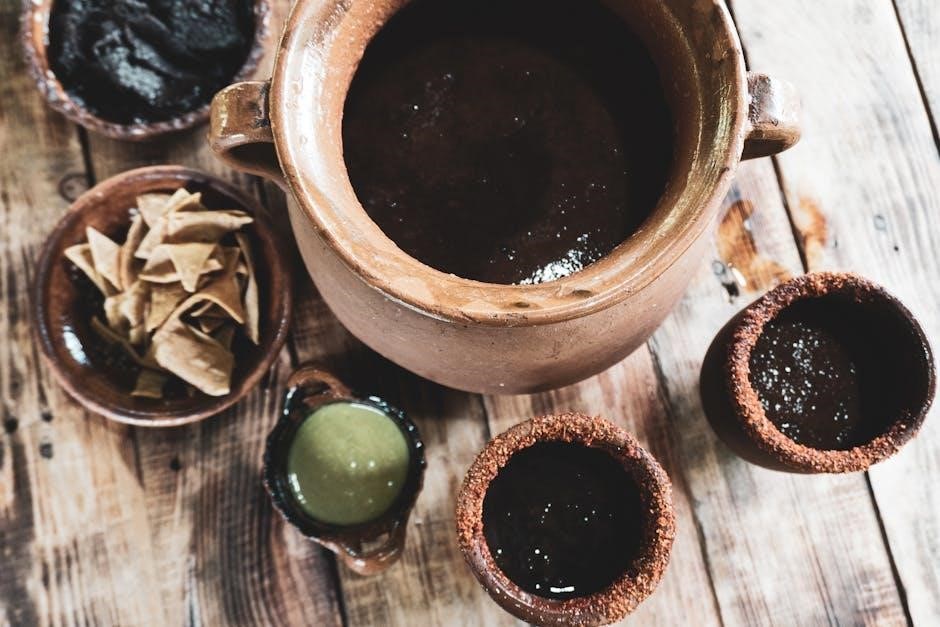
Pico de Gallo and Light Lagers
Your menu’s Pico de Gallo & Light Lager pairing description should emphasize freshness. Highlight how the crisp‚ clean character of a light lager – think Pilsner or Kolsch – won’t overpower the salsa’s vibrant tomato‚ onion‚ and cilantro flavors.
Suggest specific beer examples (e.g.‚ “Modelo Especial”). Mention the beer’s effervescence‚ noting how it cleanses the palate between bites. Include a brief flavor profile for both the salsa and beer‚ emphasizing complementary notes.
Visually‚ a small icon representing freshness could accompany this pairing on your PDF menu.
Roasted Tomato Salsa and Amber Ales
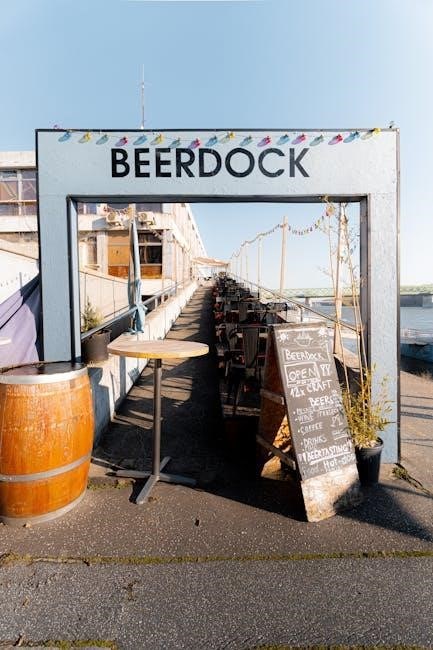
For your menu‚ describe how the smoky sweetness of roasted tomatoes in the salsa finds a harmonious match with the malty richness of an amber ale. Emphasize the beer’s caramel and toffee notes‚ explaining how they complement the salsa’s depth of flavor.
Recommend specific amber ale options (e.g.‚ “New Belgium Amber Ale”). Highlight the beer’s moderate hop bitterness‚ noting how it balances the salsa’s acidity. Include a visual cue – perhaps a flame icon – to represent the roasted element.
Briefly explain how the beer’s body complements the salsa’s texture.
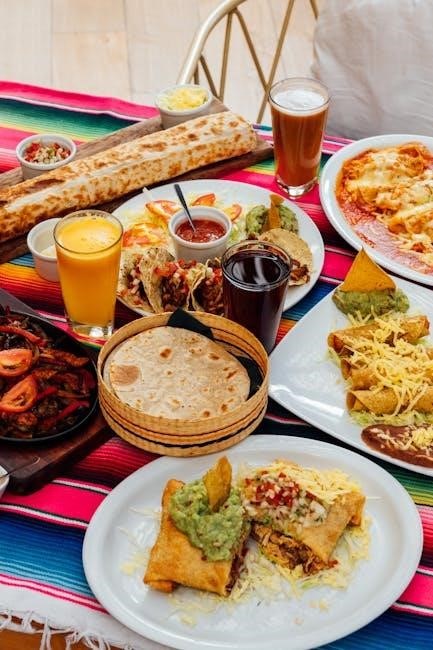
Fruit Salsa (Mango‚ Pineapple) and Wheat Beers
Your menu should articulate how the bright‚ tropical flavors of mango or pineapple salsa are beautifully lifted by the crisp‚ refreshing character of a wheat beer. Describe the beer’s subtle citrus and spice notes‚ explaining how they echo the fruit’s sweetness.
Suggest specific wheat beer choices (e.g.‚ “Blue Moon Belgian White”). Mention the beer’s light body and effervescence‚ noting how they cleanse the palate between bites of the vibrant salsa. Use a fruit icon to visually represent this pairing.
Briefly explain how the beer’s slight sweetness enhances the fruit’s natural sugars.
Verde Salsa (Green Salsa) and Pilsners
Your menu should highlight the herbaceous and zesty nature of Verde salsa‚ emphasizing its bright acidity and fresh cilantro notes. Explain how a crisp‚ clean Pilsner provides a refreshing counterpoint‚ preventing the salsa’s flavors from overwhelming the palate.
Recommend specific Pilsner styles (e.g.‚ Czech or German Pilsner)‚ noting their subtle hop bitterness which cuts through the salsa’s richness. Use a leaf icon to visually represent this pairing.
Describe the Pilsner’s dry finish‚ explaining how it prepares the palate for the next bite of salsa. Mention the beer’s light body‚ ensuring it doesn’t compete with the salsa’s vibrant flavors.
Habanero Salsa and Dark Lagers
Your menu should clearly state that Habanero salsa delivers significant heat‚ advising customers to proceed with caution. Explain how a Dark Lager’s roasted malt character offers a balancing sweetness and smoky depth‚ mitigating the salsa’s fiery intensity.
Suggest specific Dark Lager varieties like Schwarzbier‚ noting their subtle chocolate and coffee notes. Employ a flame icon to visually indicate the heat level and pairing.
Describe the lager’s smooth‚ full body‚ explaining how it coats the mouth and provides a soothing contrast to the salsa’s burn. Mention the beer’s low hop bitterness‚ preventing further irritation.
The Science of Flavor Pairing: Why it Works
Your menu can briefly explain the principles of flavor pairing to enhance customer understanding. Highlight how complementary flavors – like the citrus in salsa and coriander in Belgian White – create harmony.
Explain contrasting flavors‚ such as the heat of habanero and the coolness of a dark lager‚ offering a dynamic experience. Mention how bitterness in beer can cut through richness in salsa‚ cleansing the palate.
A short paragraph on the science demonstrates thoughtfulness and elevates the dining experience. Include a visual cue‚ like a flavor wheel‚ to illustrate pairing concepts.
Complementary Flavors in Salsa and Beer
Your menu can showcase pairings based on shared flavor compounds. For example‚ citrusy salsas beautifully complement beers with orange peel or coriander‚ like Blue Moon Belgian White.
Highlight how fruity salsas (mango‚ pineapple) echo the esters found in wheat beers‚ creating a harmonious blend. Roasted tomato salsas pair well with amber ales‚ sharing malty sweetness.
Visually represent these connections on the menu with icons or color-coding. Briefly explain how similar flavor profiles enhance each other‚ guiding customers towards satisfying combinations.
Contrasting Flavors for a Dynamic Experience
A well-designed menu should also suggest pairings that create exciting contrasts. Spicy habanero salsas find balance with the roasted malt flavors of dark lagers‚ offering a delightful push-and-pull sensation.
Explain how the bitterness in a Pilsner can cut through the richness of a creamy queso dip‚ cleansing the palate. Showcase how a smoky salsa is elevated by the complementary smokiness of a smoked beer.
Use descriptive language on your menu to highlight these dynamic interactions‚ enticing customers to explore bolder flavor combinations and discover new preferences.
Regional Salsa Variations and Beer Suggestions
Your menu should acknowledge the diverse world of salsa! Tex-Mex salsas‚ often bolder and spicier‚ pair beautifully with crisp Mexican lagers‚ offering a refreshing counterpoint to the heat.
Highlight Salsa Roja (red salsa)‚ typically tomato-based‚ and suggest pairings with aromatic Pale Ales‚ whose citrusy hops complement the salsa’s acidity. Clearly indicate regional styles and their ideal beer companions.
Consider a map or visual guide on your PDF menu showcasing salsa origins and recommended beer styles‚ enhancing the customer experience and promoting exploration of regional flavors.
Tex-Mex Salsa and Mexican Lagers
Your PDF menu should explicitly recommend Mexican Lagers with Tex-Mex salsas. These salsas‚ known for their robust flavors and often significant heat‚ benefit from the clean‚ crisp profile of a Mexican Lager.
Detail specific pairings: a fiery habanero salsa alongside a Pacifico‚ or a roasted tomato salsa with a Modelo Especial. Include tasting notes describing how the beer’s lightness cuts through the salsa’s richness.
Visually represent this pairing on your menu with images of both the salsa and the beer‚ and consider a “spice level” indicator to help customers choose appropriately.
Salsa Roja (Red Salsa) and Pale Ales
Your salsa and beer pairing PDF should highlight the synergy between Salsa Roja and Pale Ales. The malt-forward character of Pale Ales complements the roasted tomato and chili pepper notes common in red salsas.
Suggest specific pairings: a robust Salsa Roja with a Sierra Nevada Pale Ale‚ or a milder version with a lighter Pale Ale. Include descriptions emphasizing how the beer’s hop bitterness balances the salsa’s sweetness and spice.
Visually showcase this pairing on your menu‚ and consider adding a flavor profile chart illustrating the complementary characteristics of both the salsa and the beer.
Beyond the Basics: Exploring Unique Pairings
Your salsa and beer PDF should entice adventurous palates with unique pairings‚ showcasing creativity beyond traditional combinations. Highlight smoked salsas paired with smoked beers – a match made in flavor heaven‚ amplifying smoky notes.
Feature Black Bean and Corn Salsa with Brown Ales‚ noting how the nutty‚ caramel flavors of the ale complement the salsa’s sweetness and earthiness. Include tasting notes describing the experience.
Visually separate these “Beyond the Basics” options on your menu‚ using icons or a distinct section to signal their experimental nature and appeal to curious diners.
Smoked Salsa and Smoked Beers
Your PDF menu must detail the synergy between smoked salsas and smoked beers‚ emphasizing how the shared smoky character creates a harmonious pairing. Specifically‚ highlight the interplay of chipotle peppers in the salsa with the smoky malt profile of the beer.
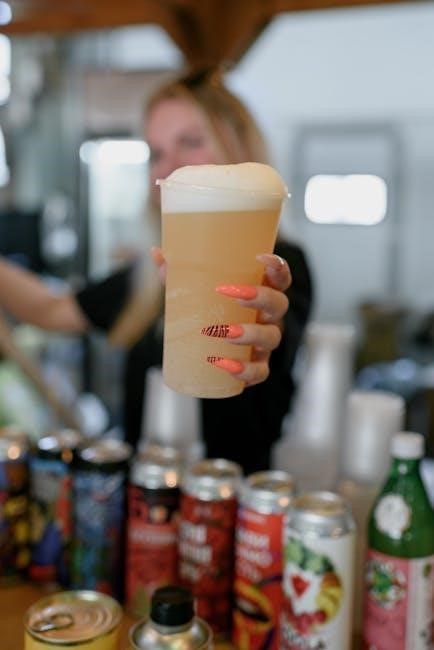
Suggest specific beer styles like Rauchbier (German smoked beer)‚ noting its bacon-like aroma and how it complements the salsa’s depth. Include a brief description of the flavor profile for both‚ guiding customer choices.
Visually represent this pairing on your menu with evocative imagery‚ perhaps a photo of the salsa alongside a glass of Rauchbier‚ to inspire adventurous selections.
Black Bean and Corn Salsa with Brown Ales
Your salsa and beer pairing PDF should showcase the delightful match between black bean and corn salsa and nutty brown ales. Detail how the salsa’s sweetness from corn and earthy black beans find a counterpoint in the malt-forward character of the beer.
Recommend specific brown ale varieties‚ mentioning notes of caramel and toffee that enhance the salsa’s flavors. Include a concise description of the beer’s body and finish to aid customer selection.
Visually‚ the menu could feature a vibrant image of the salsa paired with a classic brown ale‚ encouraging patrons to explore this complementary combination.
Craft Beer Recommendations for Salsa Lovers
Your salsa and beer pairing PDF should dedicate a section to curated craft beer recommendations‚ appealing to adventurous palates. Highlight beers like Blue Moon Belgian White‚ noting its citrusy notes that beautifully complement citrusy salsas‚ and Schwarzbier‚ ideal for spicier options.
Provide brief tasting notes for each beer‚ emphasizing how its flavor profile interacts with different salsa heat levels. Include the beer’s ABV for informed choices. Visually‚ use brewery logos and appealing beer imagery.
Consider grouping recommendations by salsa type (mild‚ medium‚ hot) for easy navigation;
Blue Moon Belgian White and Citrusy Salsa
Within your salsa and beer pairing PDF‚ dedicate a detailed section to the Blue Moon Belgian White and its synergy with citrusy salsas. Explain how the beer’s Valencia orange peel notes harmonize with the tart lime often found in these salsas.
Highlight the floral and peppery undertones that add complexity to the pairing. Include a visual – a beer bottle image alongside a vibrant citrus salsa. Specify the ABV (typically 5.4%) for responsible enjoyment.
Suggest specific salsa ingredients that enhance the match‚ like mango or pineapple.
Schwarzbier and Spicy Salsas
Your salsa and beer pairing PDF should emphasize the surprising effectiveness of Schwarzbier with spicier salsas. Detail how its roasty character‚ a German tradition‚ provides a counterpoint to the heat‚ rather than amplifying it.
Explain this pairing is ideal for those with lower spice tolerances‚ offering a balanced experience. Include a tasting note describing the Schwarzbier’s flavor profile – dark malt‚ subtle chocolate notes. Clearly state the ABV (typically 4.4-5.5%).
Suggest salsas featuring habaneros or scotch bonnets for a bold‚ yet manageable‚ combination.
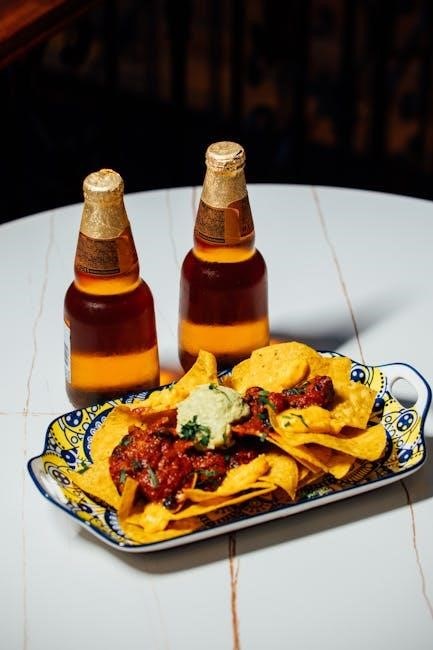
Creating a Salsa and Beer Menu (PDF Considerations)
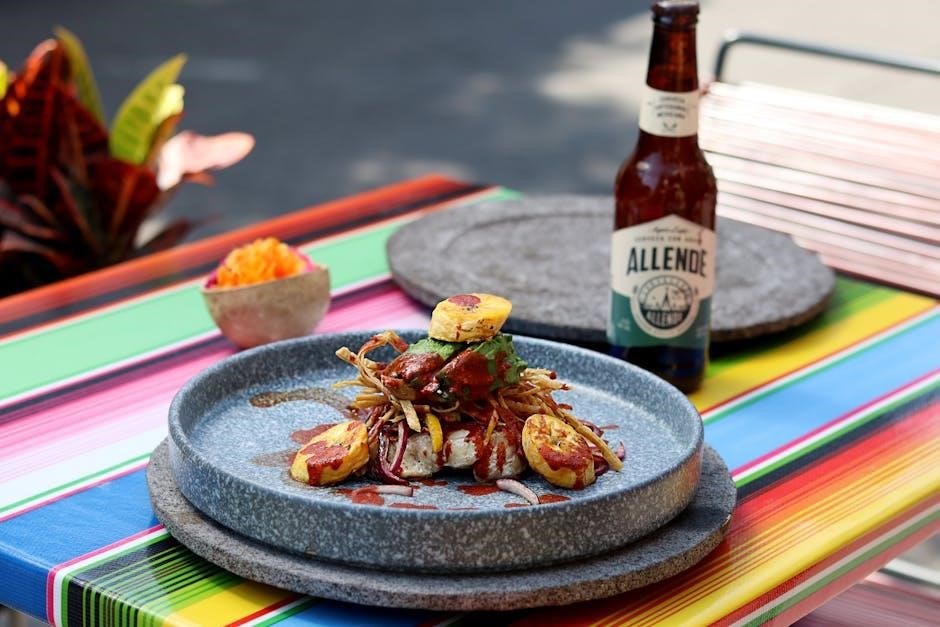
A well-designed salsa and beer menu PDF is crucial for a successful pairing experience. Prioritize a clean layout‚ categorizing salsas by heat – mild‚ medium‚ hot – and suggesting complementary beer styles alongside each. Ensure readability with clear fonts and sufficient white space.
Detailed descriptions are key: highlight salsa ingredients and flavor profiles‚ and include beer ABV information for informed choices. Consider a visual heat scale (chili peppers) for quick reference. PDF format ensures portability and consistent presentation across devices.
Menu Design and Layout
Effective menu design centers on readability and intuitive navigation. Group salsas logically – perhaps by heat level or primary ingredient – and pair each with suggested beer styles. Utilize a clear‚ uncluttered layout with ample white space to avoid overwhelming the customer.
Consider a two-column format: salsa descriptions on one side‚ beer pairings on the other. Employ visual cues like icons (chili peppers for heat) or color-coding. Prioritize a professional aesthetic that reflects the quality of your offerings‚ enhancing the overall dining experience.
Salsa Descriptions and Heat Indicators
Detailed salsa descriptions are crucial for informed customer choices. Highlight key ingredients – roasted tomatoes‚ smoky chipotles‚ fresh mango – to entice diners. Clearly articulate the flavor profile: bright and citrusy‚ smoky and complex‚ or fiery and bold.
Implement a consistent heat indicator system – chili peppers are a popular choice – ranging from mild to extreme. Provide a brief description of the heat level (e.g.‚ “Mild: A gentle warmth‚” “Hot: Significant spice”). Accuracy is paramount; avoid underestimating the heat!
Beer Descriptions and ABV Information
Concise yet descriptive beer profiles are essential for pairing success. Note key characteristics – light and crisp‚ malty and smooth‚ hoppy and aromatic – to guide selections. Highlight flavor notes that complement salsa ingredients‚ such as citrus‚ spice‚ or roasted malt.
Always include the Alcohol By Volume (ABV) percentage for each beer‚ promoting responsible consumption; Consider adding style classifications (Lager‚ Pale Ale‚ Wheat Beer) for clarity. Briefly mention the beer’s origin or brewery for added interest and appeal to discerning customers.
DIY Salsa Recipes to Enhance Your Beer Pairing Experience
Including simple‚ accessible salsa recipes elevates the menu beyond just pairings. Offer a “Simple Pico de Gallo Recipe” – tomatoes‚ onion‚ cilantro‚ lime – showcasing fresh flavors. A “Roasted Tomato Salsa Recipe” adds depth with smoky notes‚ ideal for pairing suggestions.
Present recipes concisely‚ focusing on key ingredients and easy-to-follow instructions. Mention suggested beer pairings alongside each recipe‚ reinforcing the menu’s core theme. This encourages customers to recreate the experience at home‚ fostering brand loyalty and enjoyment.
Simple Pico de Gallo Recipe
This classic salsa‚ bursting with freshness‚ pairs beautifully with light lagers. Combine 3 diced Roma tomatoes‚ ½ diced white onion‚ 1 jalapeño (seeded & minced)‚ ¼ cup chopped cilantro‚ and the juice of 2 limes.
Gently mix and season with salt to taste. Let it rest for 15 minutes to allow flavors to meld. Serve chilled with tortilla chips. Pairing suggestion: A crisp Pilsner complements the bright acidity and herbaceous notes. Include this recipe on your PDF menu to inspire at-home pairings!
Roasted Tomato Salsa Recipe
For a deeper‚ smokier flavor‚ try this roasted tomato salsa. Roast 6 Roma tomatoes‚ 1 onion (quartered)‚ 2 jalapeños‚ and 4 cloves of garlic until softened and slightly charred. Blend the roasted vegetables with ¼ cup cilantro‚ juice of 1 lime‚ and salt to taste.
This salsa’s richness pairs well with amber ales. Include a note on your PDF menu suggesting this pairing. Roasting intensifies the tomato’s sweetness‚ creating a complex flavor profile. Serve with tortilla chips or as a topping for grilled meats. Enjoy with a smooth‚ malty amber ale!
Resources for Finding Salsa and Beer Pairings
Enhance your salsa and beer menu PDF with helpful resources for customers. Include links to online pairing guides‚ offering broader suggestions beyond your curated list. Direct patrons to local brewery websites for current tap lists and flavor profiles.
Feature restaurant recommendations known for excellent salsa and beer selections. Consider a QR code linking to a dedicated webpage with updated pairings. Promote beer-focused blogs and articles. This adds value to your menu and encourages exploration. Provide a curated list for a seamless experience!
Online Pairing Guides
Integrate QR codes on your salsa and beer menu PDF‚ linking directly to reputable online pairing resources. Websites dedicated to beer and food pairings offer extensive databases and expert recommendations. Explore platforms featuring user-submitted pairings and reviews for diverse perspectives.
Include links to brewery websites with pairing suggestions. Highlight articles discussing flavor profiles and complementary combinations. These resources empower customers to experiment and discover their own perfect matches‚ enhancing their dining experience beyond the menu’s suggestions.
Local Brewery and Restaurant Recommendations
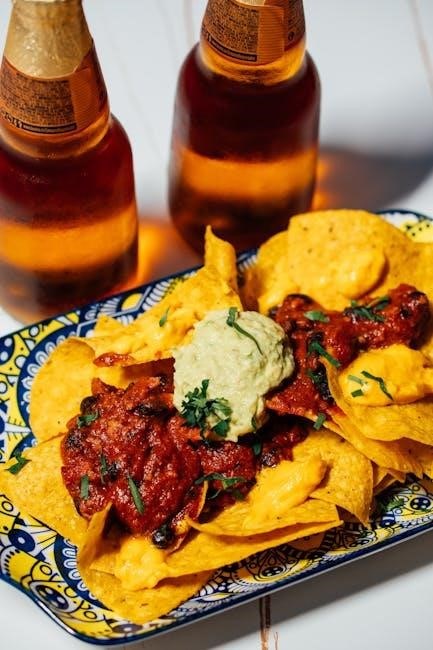
Enhance your salsa and beer menu PDF by featuring nearby breweries known for complementary styles. Include a section listing local restaurants celebrated for their salsa selections and beer pairings. This cross-promotion benefits both establishments and provides customers with valuable options.
Highlight breweries offering tasting flights specifically designed around spicy foods. Suggest restaurants hosting salsa and beer pairing events. Adding addresses‚ phone numbers‚ and website links creates a convenient resource‚ fostering community engagement and driving traffic to local businesses.
The Future of Salsa and Beer Pairing
The evolution of salsa and beer menu PDFs will likely incorporate interactive elements. Imagine QR codes linking to brewery videos or detailed salsa ingredient lists. Personalized recommendations‚ based on user spice preferences‚ could become standard. Augmented reality features might allow visualizing pairings before ordering.
Expect more detailed flavor profiles‚ moving beyond basic heat levels. Menus will showcase unique combinations‚ like smoked salsas with smoked beers. Sustainability will drive ingredient sourcing transparency. Digital menus will adapt to seasonal availability‚ offering dynamic pairing suggestions.
Emerging Trends in Flavor Combinations
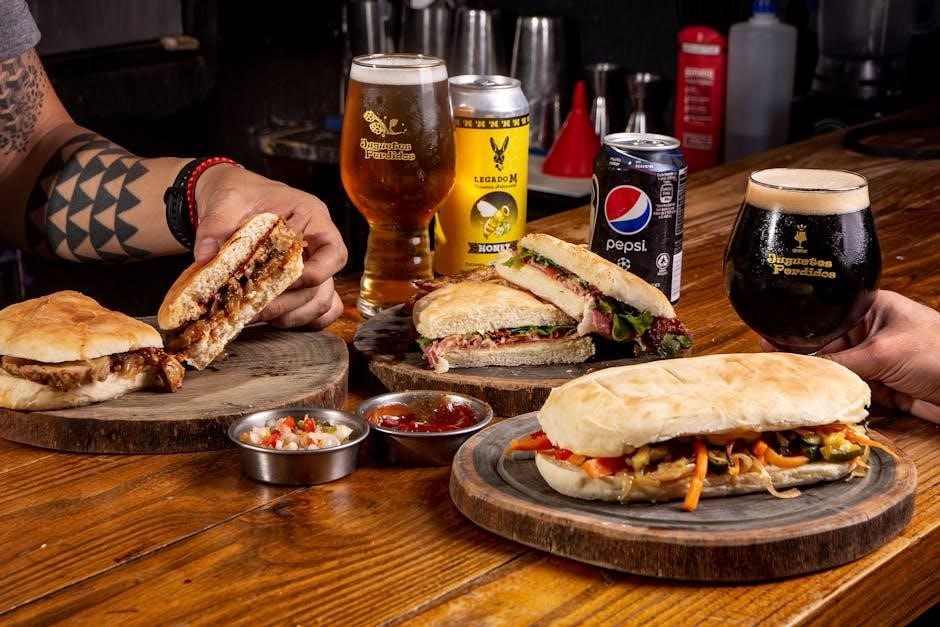
Salsa and beer menu PDFs are reflecting a surge in adventurous pairings. Expect to see more fruit-forward salsas—mango habanero‚ pineapple jalapeño—matched with wheat beers or Belgian ales. Smoked salsas are gaining traction‚ ideally paired with smoked porters or rauchbiers. Fermented salsas‚ offering complex umami notes‚ demand equally nuanced beer choices.
Black bean and corn salsas are finding harmony with brown ales‚ while bolder salsas are being matched with IPAs; Menus will highlight regional variations‚ showcasing Tex-Mex salsas alongside Mexican lagers. Interactive PDFs will suggest pairings based on individual spice tolerance.