Richard Hofstadter’s 1964 essay remains strikingly relevant, especially when examining contemporary issues like the “paranoid style” manifesting within American policing, as explored in recent PDFs.
Historical Context of the Original Essay (1964)
Hofstadter’s seminal work emerged during the Cold War and the rise of McCarthyism, a period defined by anxieties about communist infiltration and subversion. This climate fostered a heightened sense of fear and suspicion, providing fertile ground for the “paranoid style” he identified. The essay, initially focused on the extreme right wing of American politics in the 1950s and 60s, analyzed how conspiratorial thinking shaped political discourse.
Interestingly, the essay’s continued relevance is highlighted by its recent re-examination in relation to contemporary issues, including analyses found in PDFs exploring the “paranoid style” within American policing. This suggests a cyclical pattern where societal anxieties and distrust contribute to similar ideological tendencies across different eras.
Core Argument: Identifying the “Paranoid Style”
Hofstadter argued the “paranoid style” isn’t a clinical diagnosis, but a specific way of looking at society – characterized by the belief in vast, sinister conspiracies aiming to undermine cherished ways of life. This style thrives on exaggerated fears and a sense of being persecuted by hidden enemies. It’s not simply about having incorrect beliefs, but how those beliefs are constructed and expressed.
Contemporary analyses, like those appearing in PDFs concerning American policing, demonstrate how this framework applies to law enforcement perceptions. The core argument remains: identifying patterns of thought rooted in distrust and conspiratorial thinking, regardless of their factual basis.

Key Characteristics of the Paranoid Style
Central to Hofstadter’s analysis are beliefs in expansive conspiracies, feelings of persecution, and hyperbolic rhetoric—elements increasingly visible when studying policing, per recent PDFs.
The Belief in Vast, Sinister Conspiracies
Hofstadter identified a core tenet of the “paranoid style” as the conviction in widespread, malevolent plots designed to undermine societal foundations. Applying this to policing, as detailed in available PDFs, reveals a tendency towards perceiving organized, hidden forces actively working against law enforcement. This manifests as distrust of external oversight, accusations of politically motivated investigations, and the belief that criticisms are part of a larger, coordinated effort to delegitimize police work.

Such perceptions foster an “us versus them” mentality, where any challenge to authority is interpreted not as legitimate concern, but as evidence of a sinister conspiracy. This belief system, deeply ingrained, can significantly impact operational decisions and community relations.
Feelings of Persecution and Encirclement
Central to Hofstadter’s framework is the sense of being besieged, a feeling of vulnerability amidst hostile forces. Within policing, as explored in relevant PDFs, this translates into a perceived constant threat from the public, media, and political entities. Officers may feel unfairly scrutinized, subjected to biased reporting, and targeted by unwarranted criticism.
This perceived persecution fuels defensiveness and reinforces the “us versus them” dynamic. The belief that they are constantly encircled by negativity and distrust can lead to isolation, a reluctance to engage with the community, and a justification for increasingly assertive tactics.
The Use of Hyperbole and Exaggeration
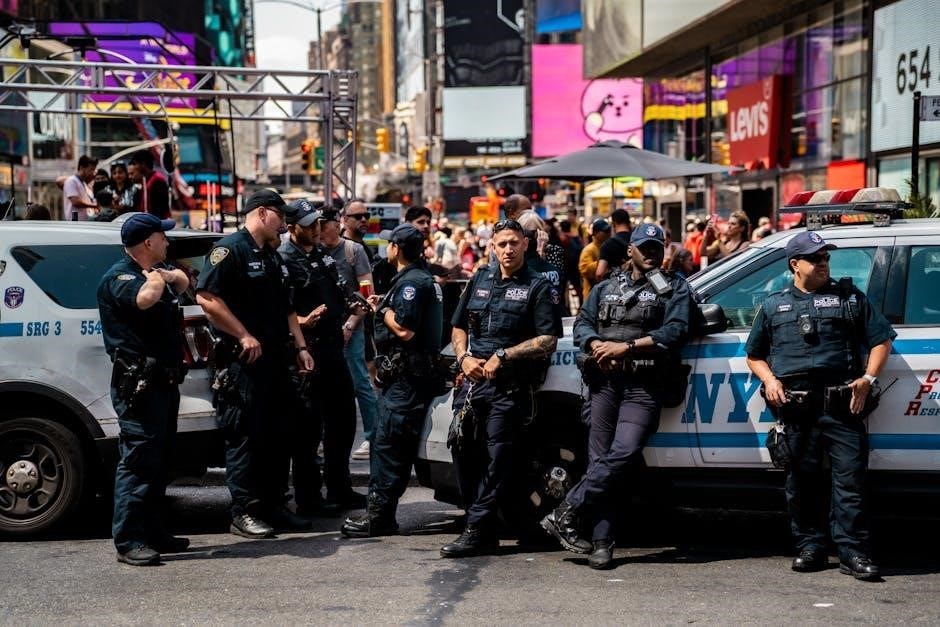
Hofstadter identified a tendency towards inflated rhetoric and dramatic overstatement as hallmarks of the paranoid style. Examining PDFs on the topic reveals this pattern within policing narratives. Minor incidents are amplified into evidence of widespread anti-police sentiment, and legitimate criticism is framed as existential threats to law and order.
This exaggeration serves to reinforce the sense of persecution and justify defensive measures. Claims of “all-out war” against officers, or accusations of deliberate attempts to undermine their authority, become commonplace, fostering a climate of fear and distrust.
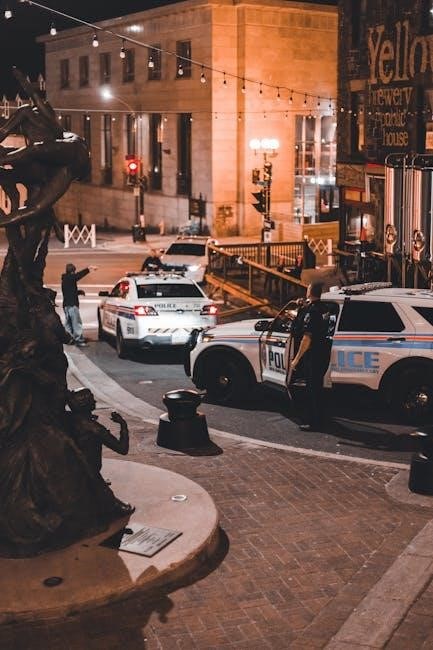
Applying the “Paranoid Style” to American Policing
Recent analyses, including PDFs, demonstrate how Hofstadter’s framework illuminates concerning trends within American law enforcement culture and its responses to scrutiny.
Historical Parallels: Policing and Conspiracy Theories
Throughout American history, policing has intersected with periods of heightened conspiratorial thinking, mirroring the “paranoid style” Hofstadter identified. Examining historical records reveals instances where law enforcement agencies embraced or amplified anxieties about subversive groups, often fueled by exaggerated fears. The mid-20th century, the focus of Hofstadter’s original essay, saw parallels in anti-communist fervor influencing police tactics.
Contemporary PDFs analyzing this phenomenon suggest a recurring pattern: a perceived need to protect a specific “way of life” leading to distrust of outsiders and a willingness to believe in vast, sinister plots. This historical context is crucial for understanding current trends, where conspiracy theories increasingly permeate some segments of law enforcement.
The Rise of “Us vs. Them” Mentality in Law Enforcement
A core component of the “paranoid style,” as Hofstadter detailed, is the sharp division between a virtuous “in-group” and a malevolent “out-group.” Within policing, this manifests as a growing “us vs. them” mentality, fueled by perceptions of societal hostility and distrust of authority. PDFs exploring this dynamic highlight how this mindset can lead to defensive posturing and aggressive tactics.
This polarization is exacerbated by the inherent dangers of the job and the tendency towards group cohesion, creating an environment where external threats are amplified and internal dissent is suppressed, mirroring the conspiratorial logic Hofstadter described.
Impact on Police Tactics and Procedures
The adoption of a “paranoid style” within law enforcement, as analyzed in relevant PDFs, demonstrably impacts tactics and procedures. A belief in widespread conspiracies and hostile intent can justify increasingly aggressive policing strategies, often disproportionately targeting specific communities. This manifests in heightened surveillance, militarized responses to protests, and a decreased emphasis on de-escalation techniques.
Furthermore, the perceived need for secrecy and control, central to conspiratorial thinking, can reinforce the “blue wall of silence,” hindering accountability and fostering a culture of impunity, ultimately eroding public trust.

The Role of Ideology and Political Alignment
PDF analyses suggest a correlation between conservative ideology, right-wing media consumption, and conspiratorial thinking within policing, fueling distrust and impacting operational decisions.

Conservative Ideology and Conspiratorial Thinking
Research, including analyses found in relevant PDF documents, indicates a notable ideological asymmetry in conspiratorial beliefs; conservatives demonstrate a greater propensity for embracing such narratives. This aligns with Hofstadter’s original observations regarding the “paranoid style.” Within law enforcement, conservative viewpoints, when coupled with exposure to misinformation, can foster a worldview characterized by distrust of external entities and a belief in hidden agendas.
This predisposition can manifest as heightened suspicion towards marginalized communities or political opponents, potentially influencing policing strategies and exacerbating existing tensions. The tendency to perceive threats where they may not exist, rooted in ideological convictions, warrants careful consideration when examining the dynamics of modern policing.
The Influence of Right-Wing Media on Police Perceptions
Analysis of the “paranoid style” in policing, as detailed in various PDF reports, reveals a significant correlation between exposure to right-wing media and heightened conspiratorial thinking among officers. These outlets often amplify narratives of societal breakdown and portray law enforcement as being under constant attack, fostering an “us vs. them” mentality.
This constant barrage of negative messaging can shape perceptions, leading officers to view certain communities with suspicion and justify aggressive tactics. The echo chambers created by these media sources reinforce existing biases and limit exposure to alternative perspectives, potentially exacerbating distrust and fueling the cycle of paranoia.
How Political Polarization Fuels Distrust
Examining the “paranoid style” within American policing, as evidenced in recent PDF analyses, demonstrates how escalating political polarization deeply erodes public trust. Heightened ideological divides contribute to a climate of suspicion, where officers may perceive legitimate criticism as politically motivated attacks.
This polarization extends within police departments, potentially fracturing solidarity and fostering internal distrust. When officers believe they are operating in a hostile political environment, it can reinforce conspiratorial thinking and justify defensive, even aggressive, actions. Consequently, community relations suffer, and the cycle of distrust intensifies.
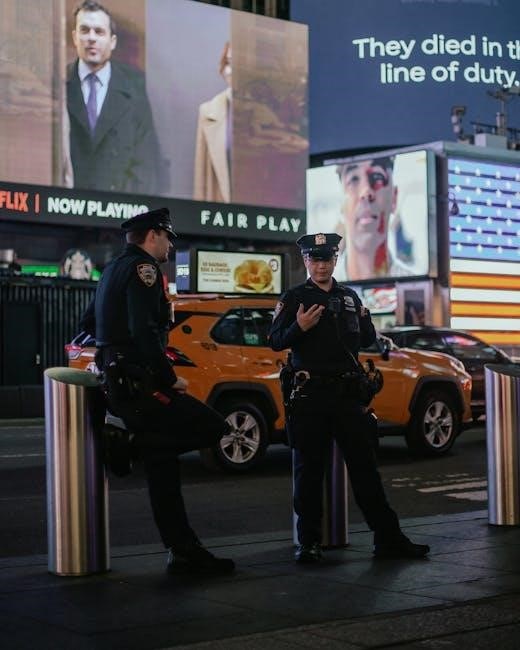
Manifestations in Contemporary Policing
Contemporary policing exhibits manifestations aligning with Hofstadter’s “paranoid style,” including the “blue wall of silence” and over-policing, as detailed in recent PDF reports.
The “Blue Wall of Silence” as a Conspiracy of Omission
The “blue wall of silence,” a deeply ingrained code of solidarity among police officers, embodies a “conspiracy of omission” mirroring Hofstadter’s paranoid style. This phenomenon, frequently discussed in analyses like those found in recent PDF reports, involves a collective refusal to report misconduct by fellow officers. It fosters an “us versus them” mentality, reinforcing distrust of external scrutiny and fueling perceptions of a coordinated effort to protect the institution from criticism.
This silence isn’t merely passive; it actively constructs a narrative of external threats and internal loyalty, aligning with the core tenets of the paranoid style – a belief in hidden enemies and a need for unwavering defense; The resulting lack of accountability exacerbates issues of police brutality and misconduct, further solidifying public distrust.
Over-Policing and the Perception of Targeted Groups
Over-policing, particularly in marginalized communities, contributes to a “paranoid style” dynamic, as detailed in analyses available as PDF documents. This practice reinforces perceptions of systemic bias and deliberate targeting, fostering a sense of persecution among affected groups. When communities consistently experience heightened surveillance and aggressive enforcement, it fuels beliefs in a vast, sinister conspiracy aimed at their control or suppression.
This perception isn’t simply a misinterpretation; it’s a logical outcome of disproportionate police presence and the resulting experiences of harassment and discrimination. Such experiences validate pre-existing anxieties and contribute to a climate of distrust, mirroring Hofstadter’s observations on the roots of paranoid thinking.
The Spread of Misinformation within Police Departments
The proliferation of misinformation within law enforcement, often explored in PDF analyses of the “paranoid style” in policing, exacerbates conspiratorial thinking. Internal communication channels can become echo chambers, amplifying unsubstantiated claims and fostering distrust of external entities – media, oversight bodies, and the public. This internal dissemination of false narratives reinforces a sense of siege and persecution.
Such misinformation often centers on perceived threats from specific groups or ideologies, aligning with Hofstadter’s description of the “enemy” in the paranoid style. This creates a self-reinforcing cycle where biased perceptions justify aggressive tactics and further entrench distrust.
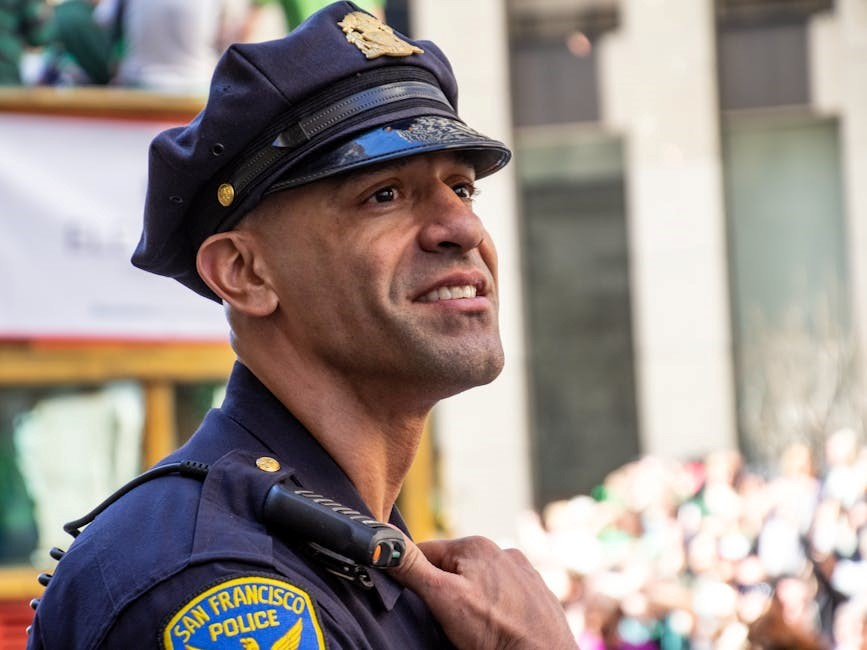
Criticisms and Limitations of Hofstadter’s Framework
While insightful, Hofstadter’s framework risks mislabeling legitimate concerns as paranoia, potentially dismissing valid critiques of power structures, as discussed in related PDF analyses.
Potential for Mislabeling Legitimate Concerns
A significant criticism centers on the potential for the “paranoid style” framework to inadvertently dismiss genuine grievances and valid criticisms leveled against policing practices. Applying Hofstadter’s concepts requires careful nuance; labeling concerns about excessive force, racial profiling, or systemic bias as simply “paranoid” risks silencing crucial dialogue.
PDF analyses suggest that anxieties regarding police misconduct aren’t always unfounded, stemming from documented patterns of abuse and lack of accountability. The framework must avoid pathologizing legitimate skepticism towards authority, particularly within communities historically marginalized by law enforcement. Failing to do so perpetuates distrust and hinders meaningful reform efforts.
The Risk of Dismissing Valid Criticisms of Power
Hofstadter’s framework, while insightful, carries the danger of prematurely dismissing legitimate critiques of power structures within policing. Labeling dissent as “paranoid” can function as a rhetorical shield, deflecting scrutiny from demonstrable issues like corruption, abuse of authority, and systemic inequalities.
PDF resources highlight instances where concerns about police overreach are rooted in factual evidence, not unfounded fears. Applying the “paranoid style” label risks silencing voices advocating for accountability and transparency. It’s crucial to differentiate between genuine conspiracy thinking and reasonable responses to documented patterns of misconduct, ensuring valid criticisms aren’t unjustly marginalized.
Evolving Forms of Conspiracy Thinking in the Digital Age
The digital landscape dramatically amplifies and alters the “paranoid style,” as evidenced in analyses of contemporary policing – often detailed in PDF reports. Social media algorithms foster echo chambers, reinforcing pre-existing biases and accelerating the spread of misinformation regarding law enforcement.
Online platforms enable the rapid dissemination of unsubstantiated claims, blurring the lines between legitimate concerns and fabricated narratives. This creates a fertile ground for conspiracy theories to flourish, impacting public trust and potentially influencing police perceptions, moving beyond Hofstadter’s original observations.
The “Paranoid Style” and the Future of American Policing
Addressing systemic issues and fostering transparency are crucial to mitigating distrust, as detailed in analyses—including PDF reports—of the “paranoid style” in policing.
Addressing Systemic Issues to Reduce Distrust
Combating the “paranoid style” within American policing, as explored in recent PDF analyses, necessitates confronting deeply rooted systemic problems. This includes acknowledging historical parallels between policing and conspiratorial thinking, and the rise of an “us versus them” mentality.
Furthermore, fostering genuine accountability, promoting transparency in procedures, and actively dismantling biases are essential steps. Critical thinking and media literacy training for officers, alongside community-based initiatives, can help counter misinformation and rebuild trust. Ignoring these issues perpetuates a cycle of distrust and reinforces the very patterns Hofstadter identified decades ago.
Promoting Transparency and Accountability in Law Enforcement
Addressing the “paranoid style” in policing, as detailed in recent PDF reports, demands a fundamental shift towards transparency. Body-worn cameras, coupled with clear policies regarding their use and data access, are crucial first steps. Independent investigations of misconduct, free from internal bias, are equally vital.
Accountability mechanisms must extend beyond individual officers to encompass systemic failures. Publicly accessible data on stops, searches, and use-of-force incidents fosters scrutiny and builds trust. Open dialogue with communities, acknowledging past harms, is essential for genuine reconciliation and reform.
The Need for Critical Thinking and Media Literacy Training
Combating the “paranoid style” within law enforcement, as analyzed in available PDF resources, necessitates robust critical thinking and media literacy training. Officers must be equipped to discern credible information from misinformation, particularly regarding online conspiracy theories and biased reporting.
This training should emphasize source evaluation, logical fallacies, and the dangers of confirmation bias. Encouraging healthy skepticism, alongside a commitment to evidence-based policing, can mitigate the influence of unfounded beliefs. Such education fosters a more rational and objective approach to law enforcement duties.